Design for Additive Manufacturing (DFAM) enables engineers to create components specifically optimised for 3D printing and additive manufacturing processes. Unlike conventional design methods, DFAM considers geometry, material selection, structural performance and manufacturing constraints from the earliest stages, enabling complex, lightweight and high-performance parts that may be difficult or impossible to manufacture using traditional processes.
EDS Technologies supports advanced DFAM workflows using technologies including CATIA, SIMULIA and EOS 3D Printing. These solutions help engineering teams optimise component geometry, validate structural and thermal performance, reduce material usage, improve manufacturability and accelerate product development. DFAM is particularly valuable across aerospace, automotive, industrial equipment, medical devices and other industries where performance, customisation and manufacturing efficiency are critical.
Benefits of Design for Additive Manufacturing (DFAM)

Reduced Material & Manufacturing Costs
DFAM helps reduce material waste and manufacturing costs by optimizing part geometry, minimizing unnecessary material and designing components specifically for additive manufacturing. This can lower production complexity, tooling requirements and the need for extensive physical prototyping.

Greater Design Freedom & Complex Geometries
Design for Additive Manufacturing enables engineers to create complex internal channels, organic shapes, lattice structures and lightweight geometries that are difficult or impossible to produce with conventional manufacturing methods. This expands design possibilities while improving functionality and performance.

Faster Product Development & Time-to-Market
Integrated design, simulation and 3D printing workflows allow engineering teams to validate concepts earlier, reduce design iterations and accelerate prototyping. DFAM helps shorten development cycles and move optimised parts from concept to production faster.

Customisation & Manufacturing Flexibility
Additive manufacturing enables highly customized components without the tooling constraints of traditional manufacturing. DFAM allows designs to be adapted for specific applications, customer requirements and production volumes while maintaining manufacturability and performance.

Improved Part Performance & Reliability
Simulation-driven DFAM workflows help optimize structural integrity, durability, thermal performance and functionality before production. Engineers can validate design behaviour virtually and improve component performance while reducing the risk of costly design changes later in development.

Optimised Material Efficiency
DFAM supports efficient material usage by placing material only where it contributes to structural or functional performance. Advanced design and simulation tools help reduce component weight, minimize waste and select appropriate materials for high-performance additive manufacturing applications.
DFAM Design, Simulation & 3D Printing Solutions
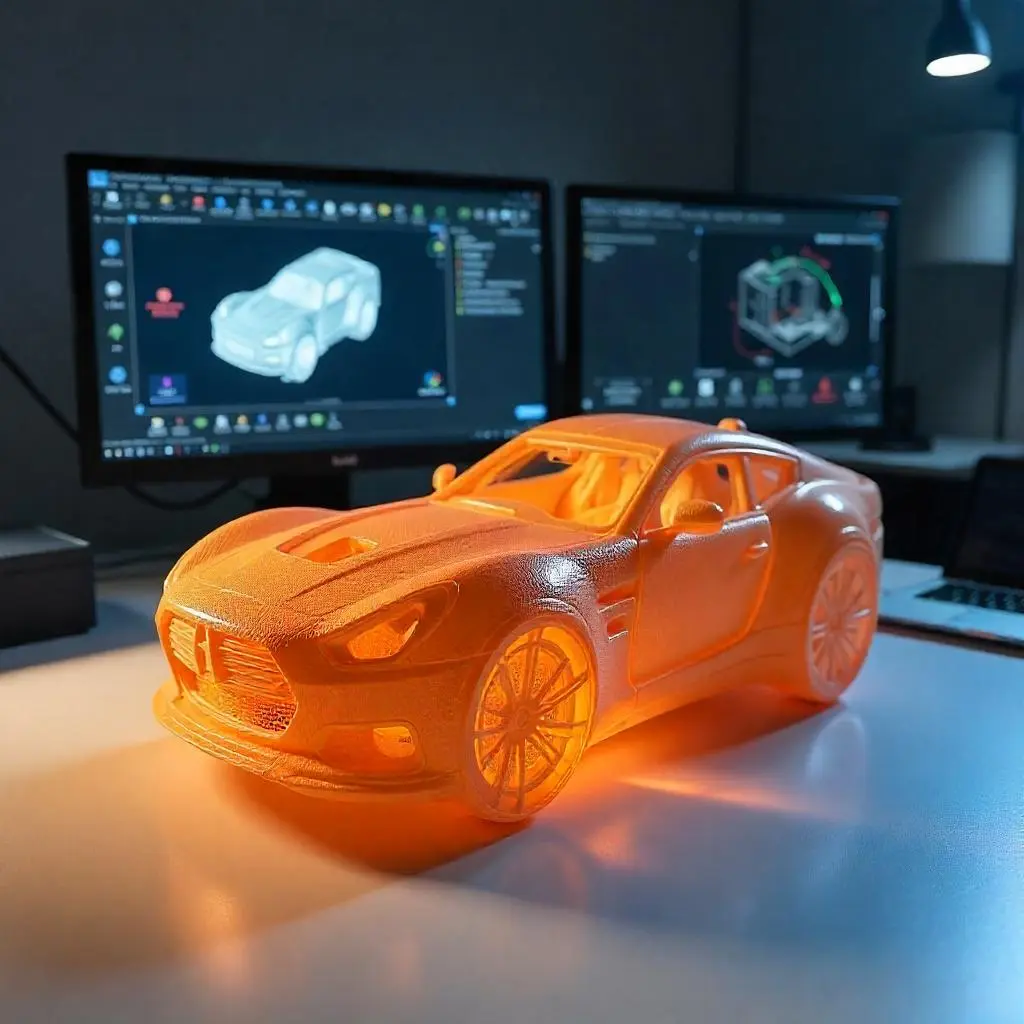
CATIA supports Design for Additive Manufacturing by enabling engineers to create complex, optimised geometries specifically suited to 3D printing. Advanced parametric and direct modelling capabilities allow designers to reduce unnecessary material, explore organic shapes and develop lightweight structures while maintaining functional and manufacturing requirements. By integrating DFAM principles early in the design process, CATIA helps engineering teams improve part performance, manufacturability and design efficiency.
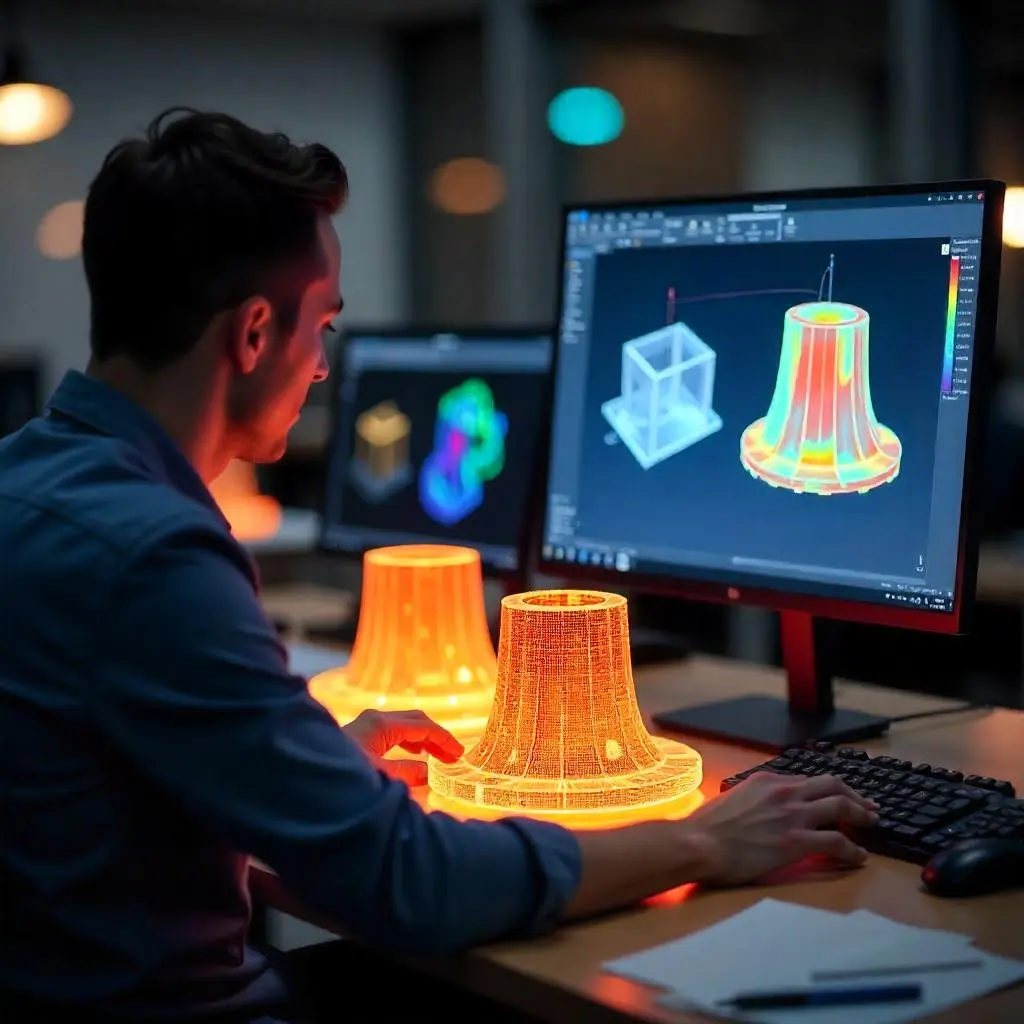
SIMULIA enhances DFAM workflows through simulation-driven design and engineering optimization. Engineers can evaluate structural strength, thermal behaviour, material performance and other critical conditions before a component is manufactured. Virtual validation helps identify design issues earlier, optimize material distribution and reduce dependence on physical prototypes, resulting in more reliable 3D printed parts, shorter development cycles and lower engineering costs.
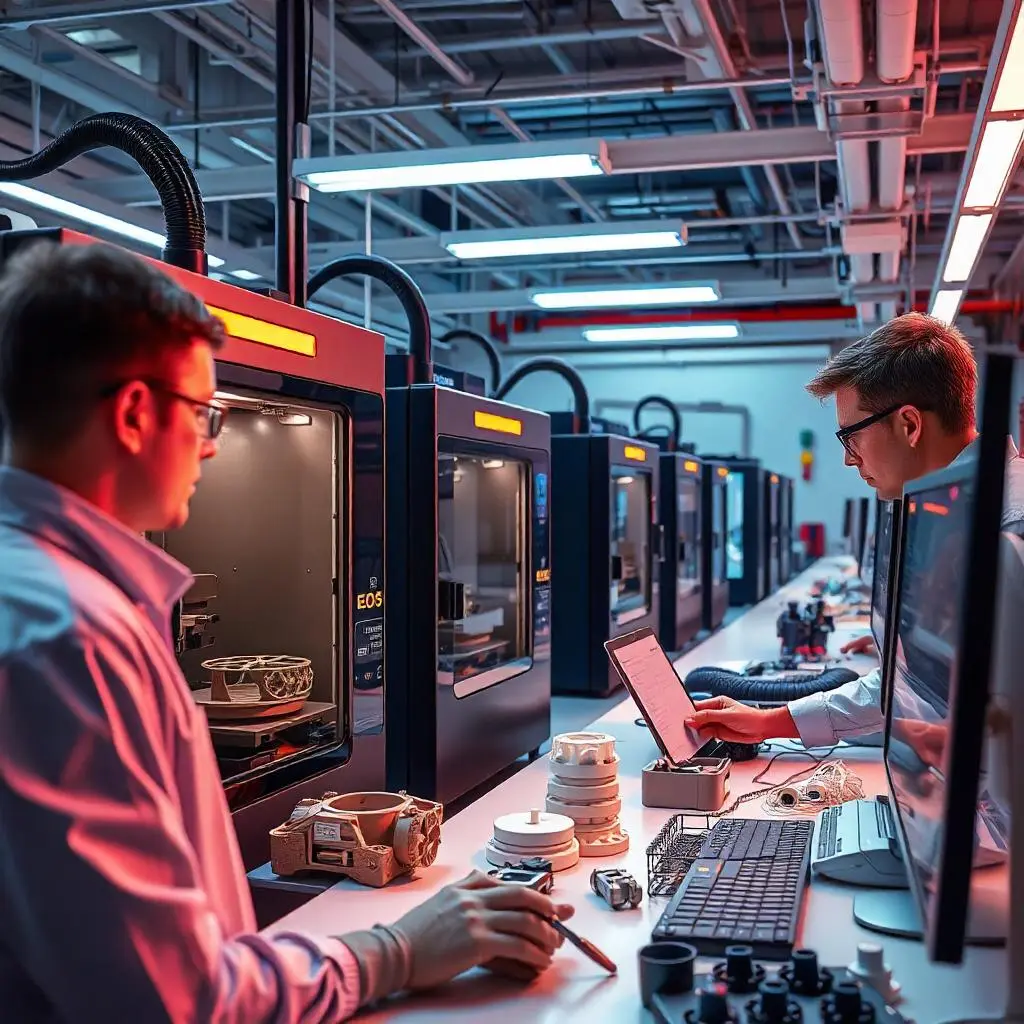
EOS industrial 3D printing technologies enable engineers to manufacture complex DFAM-optimized components using advanced metal and polymer additive manufacturing processes. Powder-bed fusion makes it possible to produce lightweight structures, intricate geometries and high-performance parts that are difficult to manufacture conventionally. EOS solutions support both rapid prototyping and production applications while improving material efficiency, design freedom, repeatability and manufacturing flexibility.
Implement Design for Additive Manufacturing with EDS Technologies
Develop and manufacture optimized 3D printed components using integrated DFAM workflows with CATIA, SIMULIA and EOS. EDS Technologies helps engineering teams combine advanced design, simulation and additive manufacturing technologies to improve part performance, manufacturability, material efficiency and product development speed.