Wind turbine structural simulation helps engineers evaluate reliability, durability, and performance before physical testing or deployment. Wind turbines operate under continuously changing loads, vibration, fatigue, and extreme environmental conditions, making accurate structural analysis essential for safe and efficient operation.
SIMULIA enables engineers to simulate real-world operating conditions and analyse the structural behaviour of critical wind turbine components, including blades, towers, hubs, and drivetrains. By assessing wind loads, mechanical stresses, vibration, fatigue, and potential failure points, manufacturers can improve design reliability, optimise performance, reduce physical prototyping, and lower long-term maintenance costs.
Benefits

Increased Reliability
Evaluate wind turbine structural integrity under extreme environmental and operating conditions.

Reduced Maintenance Costs
Identify structural risks and potential failures early to reduce downtime and maintenance costs.

Enhanced Safety
Validate wind turbine designs against operational loads, stresses, and structural performance requirements.

Cost Efficiency
Reduce physical prototyping and testing costs through high-fidelity virtual simulation.
What We Offer
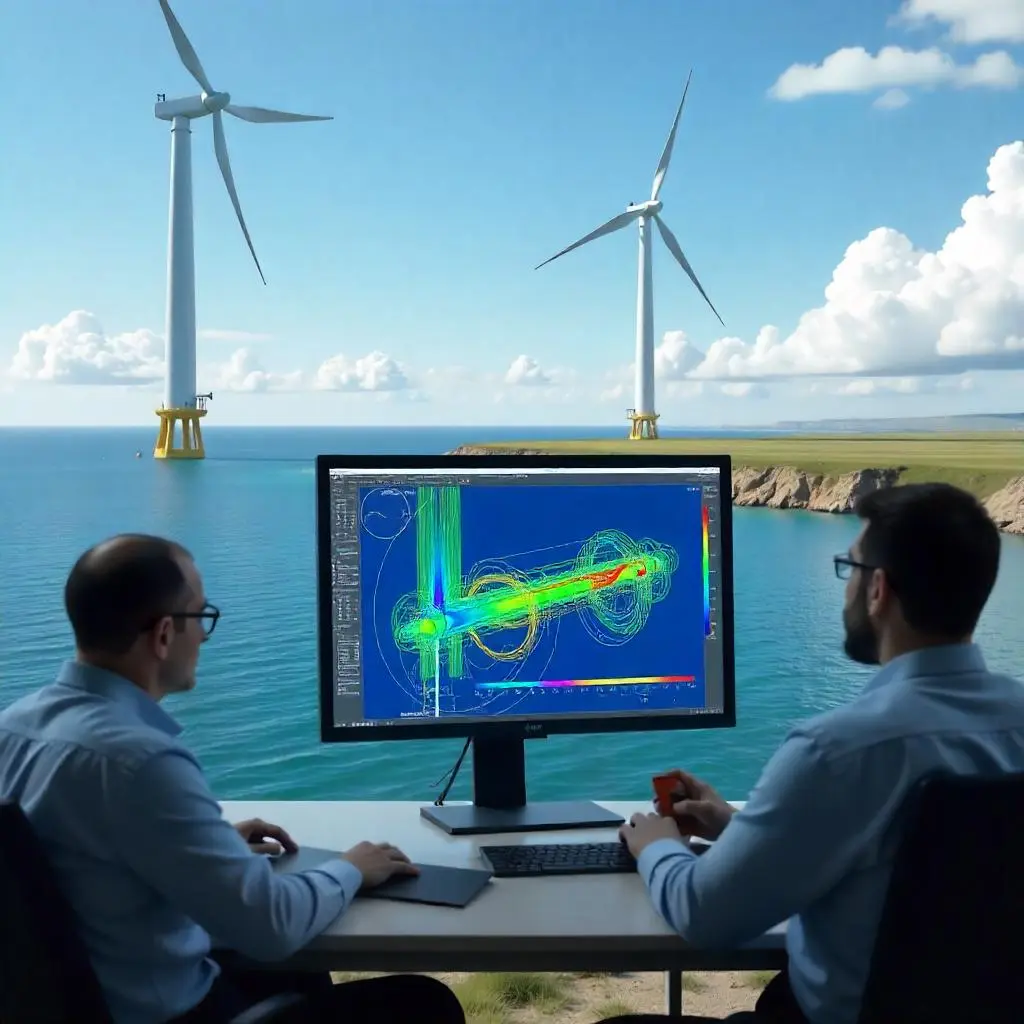
SIMULIA provides high-fidelity simulation capabilities for analysing the structural behaviour, durability, and performance of wind turbines. Engineers can evaluate the effects of wind loads, mechanical stress, vibration, fatigue, and other operating conditions on critical components such as blades, towers, hubs, and drivetrains.
By reproducing real-world conditions virtually, SIMULIA helps engineering teams identify structural weaknesses, predict potential failures, evaluate design alternatives, and optimise material and component performance before physical testing. This supports more reliable wind turbine designs, reduced development costs, improved operational safety, and longer service life.
Improve Wind Turbine Reliability with Structural Simulation
Use SIMULIA simulation to evaluate structural performance, predict failures, optimise wind turbine designs, and improve long-term reliability.