test
Category: Blog
PLM Readiness Check for your Organization
PLM Readiness Check for your Organization
During the current challenging times, identifying the right solutions & technologies and adopting them in the organization is arduous and tricky. Moreover, your organization needs to be ready to adapt the changes that the technologies bring into your process, resources, and the work culture. Therefore, your organization must plan ahead before deciding and investing on any software and implementing it. It applies the same for every specific business functions of an organization as well with R&D, Design & Development, Engineering in particular as these are important & core functions of any discrete manufacturing organization across multiple industry verticals.
It is observed that many organizations find it difficult to have a defined process set within an R&D function due to various factors like customer dynamics, unpredictable demands, market changes, product complexities, etc., which leads organizations to look for technologies & solutions that can address these challenges to a major extent. Although ERP and other enterprise solutions are in use in many organizations, the R&D function is left out of this connected ecosystem for some reason and/or limitation of these systems in addressing their challenges. R&D departments still works in a silo with limited connectivity and using legacy or outdated systems like excel, PDM systems, etc.
This led to the evolution of Product Lifecycle Management (PLM) applications specific to R&D businesses (like what ERP is for operations) to address their challenges with a whole lot of configurable solutions within it based on the best practices adopted by successful organizations.
Now, there arise the questions – is your company ready for a PLM solution to help increase efficiency and improve collaboration? What are the steps to be taken before you push the PLM start button?
Organizations have to carry out an assessment or readiness check and understand what is needed out of the PLM system implementation for their business in the near term and in the long term. Below are some of the business drivers which are common and your company may have a few or a combination of them.
- Your company is diversifying and increasing the product variants and so is the production, workflow and data. In this situation, PLM is needed. PLM helps to scale your business as it acts as a central repository of data and manages all the information flow from concept, through production, and end of the product life cycle.
- PLM supports global collaboration and international manufacturing. So, if you are planning to expand your business in international markets, PLM helps you monitor in real-time from anywhere. PLM smoothens your operations and data validation processes and helps you meet quality assurance standards efficiently, which eventually results in an improved brand name. Increased product complexities & design changes with multiple authoring tools in use.
- Improve time to market & contain innovation cycle times thus lowering development cost while delivering more transparent and reliable results.
- Deliver new and innovative products to the market in short cycles at a competitive price to meet consumers demand
- Optimize product costs early in design
- Gain market share by collaborating with customers and suppliers to deliver targeted products quickly
If any or all of the above are your business drivers, it is the right time for an organization to invest on PLM system to remain competitive and profitable and look at a systematic way of approaching it through strategic planning to follow a roadmap that produces tangible results over a period of time in terms of profitability and competitiveness. The following points have to be considered that we recommend to all organizations planning to invest on & implement the right PLM system.
- Form a PLM committee
- Identify your business drivers
- Create AS IS and TO BE business processes
- Identify the right PLM solution
- Form an implementation team
- Introduce Change Management
- Choose the right PLM partner
- Implement PLM Software
- Training Plan
- Test the Software and Go Live
- Measure Success
Once the PLM readiness check is assessed and you have decided to embark on the PLM journey, the primary & most important factor for any successful PLM implementation is selecting the right PLM software & the partner/vendor which undoubtedly requires a lot of investor’s time and energy, but is worth that time. PLM software system will stay with the company for many years, so too will the PLM partner.
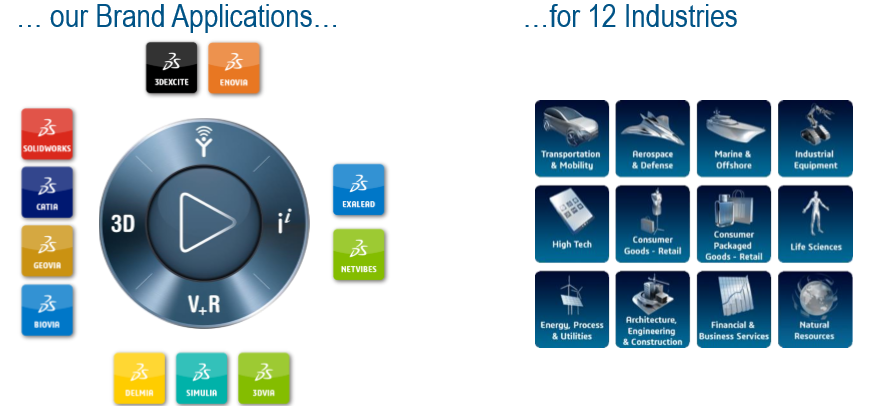
EDS Technologies has helped multiple organizations in sizing the requirement and configuring it for multiple customers in India starting from the initial assessment. EDS Technologies is the platinum partner to Dassault Systemes and which is a market leader in PLM solution. It has the right blend of solutions to address end to end requirements for all R&D processes. Below are the set of Dassault Systemes suite of PLM solutions & offerings – industries-specific & process-specific solutions.
Solutions
- Specific Industry Solution Experiences which addresses the below and much beyond:
- CAD-authoring tools integration
- Program & Project management
- Document Management
- Change management
- Bill of Material management
- Variant Configuration
- Collaborative Product Development
Enhancing Semiconductor Design with EDA Tools and Solutions

Overview;
The semiconductor industry demands cutting-edge tools to address the complexities of modern chip design. As a trusted partner, EDS Technologies supports the adoption of Synopsys’ advanced Electronics Design Automation (EDA) solutions, enabling efficient development of Application Specific Integrated Circuits (ASICs) and Systems on Chip (SoCs). These solutions cater to the growing need for high-performance, low-power designs that power applications across industries, from consumer electronics to aerospace.
Importance of Synopsys EDA tools in Chip design
They minimize the risk and reduces the trial-and-error costs. The chip cannot be altered once it is manufactured. Their designs are extremely complex and involves high development and R&D cost. The tools can diagnose complex physical problems as quantitative models, simulate circuit process in virtual software, and reproducing multiple effects in the chip development cycle. One of the highlights of Synopsys EDA suite is to simulate and optimize the PPA (Power, Performance and Area), which solves the multiple objectives and problems and reduces the cost of trial and error.
Chip Designing Process
The chip design process is divided into front-end design and back-end design.
1. Front End Design:
Front end which is known as logic design involves the functional design of the chip. From defining the chip architecture to generating the netlist is the front-end design, which also involves a functional verification to verify the circuit functions and logic.
- Design: RTL creation can be performed using the Euclide and Synopsys RTL Architect is a predictive RTL design solution that provides early predictions of the impact of the RTL changes on your PPA.
- Lint, CDC (Clock Domain Crossing) and RDC (Reset Domain Crossing) : RTL errors are very crucial in SoC design which may lead to design failure or even re-spins of the chip. Synopsys SpyGlass offers early RTL Analysis during the RTL design phase to avoid linting, CDC and RDC errors.
- Simulation (Functional Verification) : Synopsys VCS tool is a widely popular tool for the formal verification to simulate the RTL design meeting its design specifications. VCS is capable of mixed language simulation, supports UVM, OVM VMM methodologies, and Verification IPs. All the gate level simulations and power simulations can be performed in VCS.
- DFT – Design for Testability : DFT is a testing technique in IC design during the manufacturing process by implementing additional design features to ensure the designed circuit is free from any kind of manufacturing defects. Synopsys TestMAX DFT is a comprehensive tool which supports all essential DFT such as boundary scan, scan chains, core wrapping, test points and compression. They can be implemented using TestMAX manager for early validation of the corresponding RTL or with Synopsys Synthesis tools for generating the netlists.
- Synthesis: Design compiler and Synplify are the two Synthesis solutions from Synopsys for the IC designs and FPGA designs respectively, which are widely popular across the industry. Design compiler supports mixed language placement aware synthesis, optimization of multi voltage, low power synthesis, placement aware physical synthesis and multi-threading. Synplify has faster runtime, performance, area optimization for cost and power reduction, multi–FPGA Vendor support, incremental and team design capabilities for faster FPGA designs.
2. Back End Design:
Back-end which is also known as Physical design involves process related design. The major activities are placing and routing the millions of transistors on a chip, to optimize the Power, Performance and Area.
- Physical Design: Physical Design comprises of Floor Planning, Place and Route, Power planning, Low power analysis and Power estimation. All these can be achieved by using Synopsys IC Compiler.
- Physical Verification: Correctness and reliability of the physical layout of the ICs are verified through a critical process of Physical Verification. The process involves verifying the design against a set of design rules to ensure that the final product functions are intended. Synopsys IC Validator can perform the Design Rule Checks (DRC), Layout versus Schematic (LVS), Electrical Route Check (ERC), GDS comparison, Netlist-to-Netlist verification, Layout vs Layout and Antenna Checks.
- Sign-off: Synopsys is a leading solution provider in the design sign-off innovations, which addresses the challenges of complex design, scale and new requirements for chip design on advanced processor nodes. The sign-off is done with Synopsys IC Compiler II.
- Synopsys IP Solutions: Synopsys Silicon IPs are the most popular and has a wide portfolio of solutions with proven results across the industry. Logic Libraries, Embedded Memories, Interface IPs, Embedded Processors and Subsystems fall under the IP portfolio. The IPs are optimized for a wide range of market segments like Internet of Things, Automotive, Artificial Intelligence, 5G Mobile and Data Center.
Synopsys Manufacturing Solutions:
Synopsys is a market leader in offering the Silicon Manufacturing and Silicon Life cycle management solution. It includes TCAD (Technology Computer Aided Design), Mask Synthesis and Manufacturing Analytics. The Synopsys manufacturing solutions are customized for expertise in IC design, mask synthesis, process modelling, on-chip test and monitoring techniques and cloud-based analytics.
How Foundries are Benefiting with Synopsys
Synopsys is collaborating with Intel for developing interface and Foundation IPs for Intel Foundry’s latest process for their high-power efficiency System-on-Chips. They have been collaborating for decades to accelerate the design productivity. Intel and Synopsys together are driving the next gen system innovations for a wide range of applications like High Performance Computing (HPCs), Automotive, Mobile and Aerospace.
Taiwan Semiconductor Manufacturing Company Limited, which contributes more than 50% of the market share in chip manufacturing is also collaborating with Synopsys by using their silicon IPs, EDA Tools and multi-die system design flow and Photonic IC design flows for their advanced process technologies. This collaboration of over 20 years have helped them deliver high quality interface IPs and foundation IPs for their process technology from 180nm to 3nm for applications like HPCs, AI, Automotive and Mobile.
EDS Technologies: Your Partner in Semiconductor Design
EDS Technologies is committed to enabling semiconductor companies to harness the full potential of Synopsys EDA solutions. Our expertise ensures seamless adoption of these tools, helping customers achieve their project goals. Together with Synopsys, we aim to empower businesses with state-of-the-art technologies that drive innovation across industries.
Game Changing EOS Systems for Lifestyle and Consumer Goods Industry: Eyewear Applications
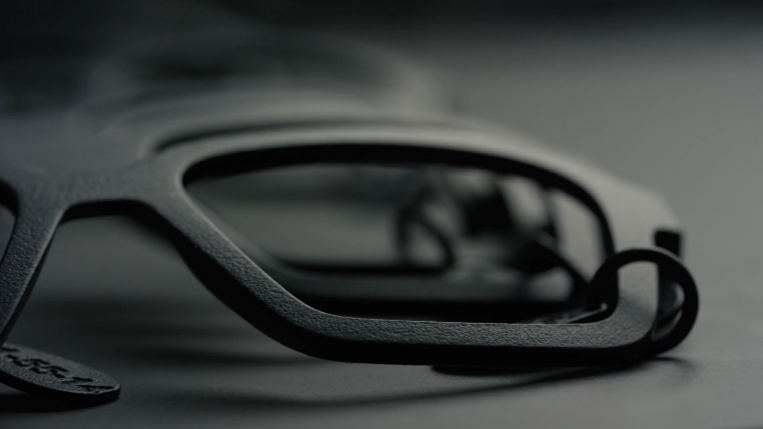
Every person’s face is as unique as their personality, making custom eyewear not just a luxury but a necessity for optimal comfort and functionality. Traditional methods of manufacturing glasses frames are labor-intensive and costly, especially when tailored to individual needs. However, industrial 3D printing, particularly with EOS systems, has revolutionized this process, offering unmatched customization, efficiency, and sustainability.
The Power of EOS Technology in Eyewear Manufacturing:
EOS additive manufacturing systems enable the production of both metal and plastic glass frames that meet the highest demands for design, functionality, and aesthetics. By combining cutting-edge technology with innovative materials like PA 2200, eyewear manufacturers can deliver frames that are not only lightweight and robust but also tailored to the unique facial features of each customer.
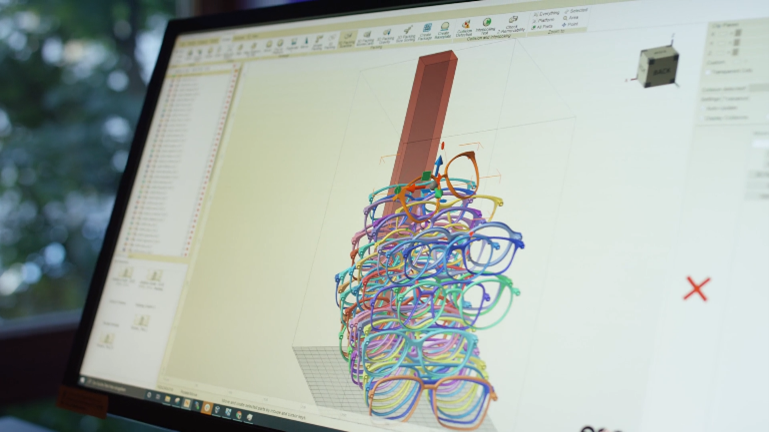
Fig.1: EOS system configuration for Eyewear production on demand
Key Advantages of EOS 3D Printing for Eyewear:
- Virtually Limitless Customization: Glass frames can be designed to fit the exact contours of a customer’s face using 3D scanning technology.
- Enhanced Comfort: Lightweight and stable designs ensure maximum wearability.
- Sustainability: Reduced material waste and the ability to reuse leftover material make the process eco-friendly.
- Rapid Prototyping and Production: Quick turnaround times enable faster time-to-market and the ability to respond to customer demands swiftly.
- Cost-Efficiency: Additive manufacturing eliminates the need for minimum order quantities, allowing for the economical production of small batches or single units.
Success Story: 3x More Sustainable 3D Printed Eyewear by You Mawo:
The innovative start-up You Mawo exemplifies the transformative potential of EOS 3D printing technology in eyewear. By leveraging the EOS P 396 system and PA 2200 material, You Mawo produces glasses frames that are:
- 30% Lighter than Acetate: The reduced weight enhances comfort without compromising durability.
- Tailored to Individual Needs: Frames are based on 3D scans of customers’ faces, ensuring a perfect fit.
- Environmentally Friendly: Additive manufacturing minimizes overproduction and shortens delivery paths, reducing the carbon footprint.
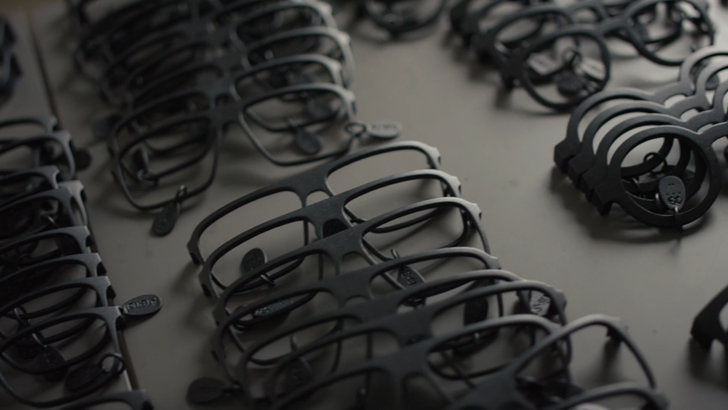
Fig. 2: Production of Customized and Personalized Eyewear using EOS SLS Process
The BRAGi Eyewear Revolution:
Nanjing BRAGi Optical Technology Co., Ltd., has embraced EOS additive manufacturing for its business model. Using the FORMIGA P 110 Velocis system and PA 2200 material, BRAGi has created a streamlined process that includes:
- Scan-to-Print Workflow: Customers’ facial data is captured via 3D scanning, enabling precise customization.
- High-Quality Finishes: The material’s purity and surface quality allow for seamless post-processing and vibrant coloring.
- Hypoallergenic and Durable Frames: The glasses are not only lightweight and robust but also hypoallergenic, making them suitable for sensitive skin.
In just a few months, BRAGi produced over 30,000 custom glasses frames, expanding its market across Asia and receiving inquiries from Europe. This success underscores the scalability and global appeal of additive manufacturing in the eyewear industry.
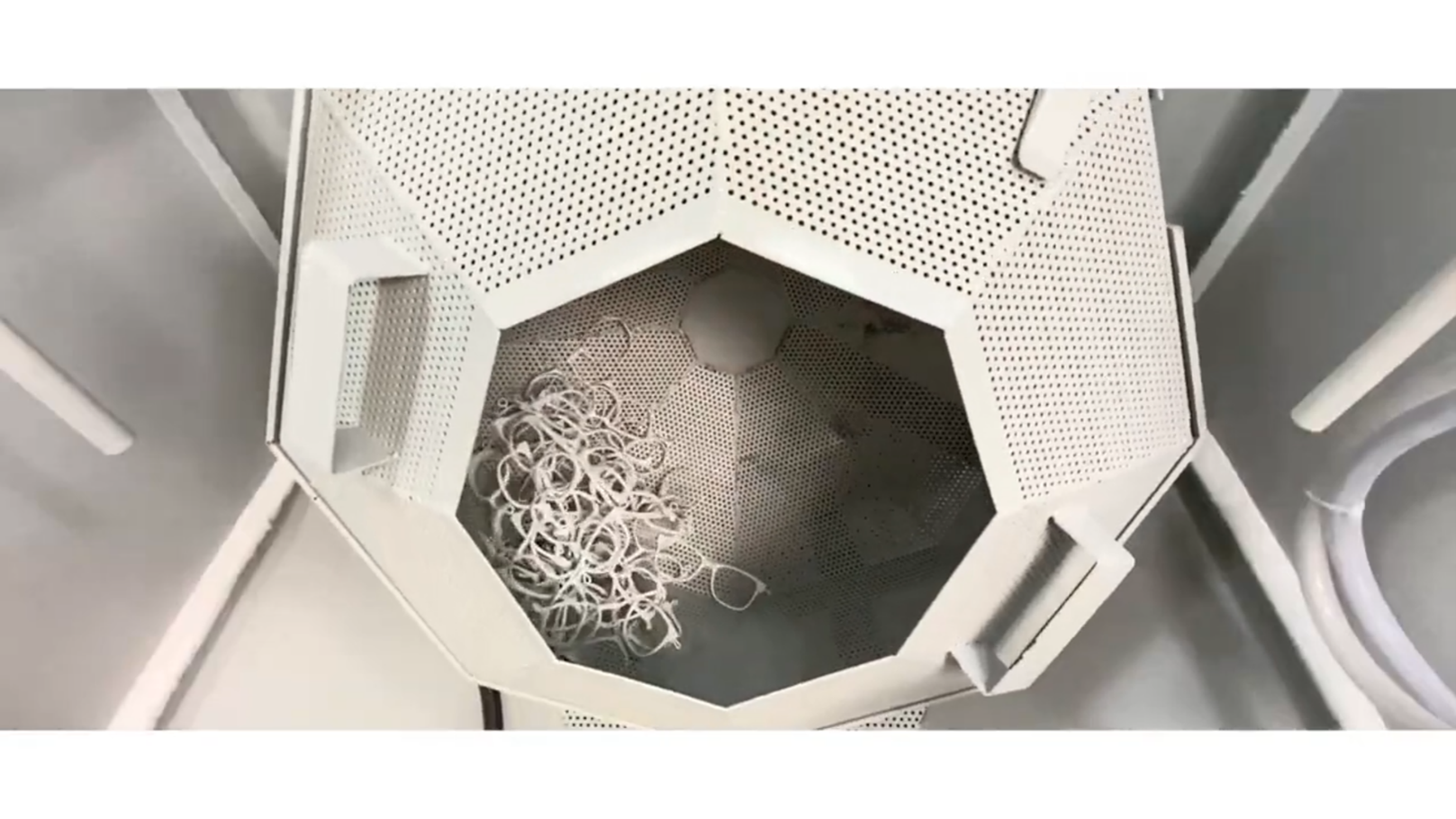
Fig. 3: Scaled Finishing process for Production of Eyewear
The Strategic Advantage: P3 Next System for Eyewear Manufacturing:
For eyewear manufacturers looking to scale their operations while maintaining precision and quality, the P3 Next system offers an unmatched commercial advantage. Its cutting-edge capabilities are tailored to meet the high demands of the eyewear industry, delivering both cost efficiency and superior performance.
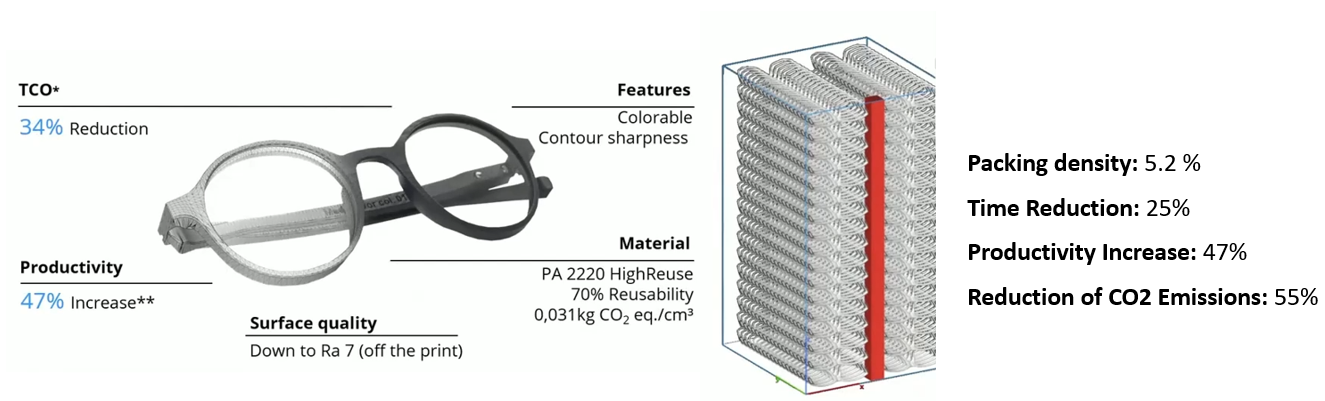
Fig. 4: Improved throughput of efficient EOS P3 Next for Eyewear Application
Key Advantages of the P3 Next System:
- Enhanced Productivity: Optimized workflow and innovative software boost machine productivity by 50% while reducing costs by 30%.
- Maximized Machine Availability: Achieve up to 90% machine availability with double material efficiency and an impressive 80% reusability rate.
- Advanced Software Solutions: Efficiently manage data preparation, production, and analytics for streamlined operations.
- Innovative Peripherals: Simplify workflows with state-of-the-art peripherals for part unpacking, finishing, material sieving, and mixing.
- Scalable and Cost-Effective: Enable scalable production with a minimal footprint, perfect for growing businesses.
- Precision-Driven Quality: Deliver consistent, high-quality results tailored to every application.
- Quick Time-to-Market: Leverage optimized and proven parameter sets to accelerate production timelines.
- Customizable Settings: Enhance both quality and performance with adjustable settings designed for specific needs.
Reinventing the Automotive Supply Chain with the Digital Experience Platform

Increased product complexity, global sourcing & disruptions, uncertainty, sustainability and regulatory pressures, consumer demand shifts, and cost pressures are some of the significant challenges that the automotive supply chain is facing today. These challenges demand a reinvention to remain resilient, efficient, and responsive to the evolving market. Connecting every stakeholder in the ecosystem can improve collaboration, streamline processes, and enhance product development to rapidly changing market conditions.
Digital Transformation: Catalyst to Reinvent Automotive Supply Chain
Digital transformation is no longer just a trend but a fundamental shift in how automotive industries operate and evolve. For the automotive supply chain, digital transformation offers an unprecedented opportunity to enhance efficiency, responsiveness, and resilience. By integrating advanced technologies, the automotive industry can break down silos, enhance real-time data access, and accelerate decision-making processes.
The 3DEXPERIENCE platform by Dassault Systèmes provides a suite of integrated tools that enable seamless collaboration between Automotive Original Equipment Manufacturers (OEMs) and their suppliers. This digital platform allows both teams to collaborate more efficiently, manage data, and enhance innovation throughout the product lifecycle.
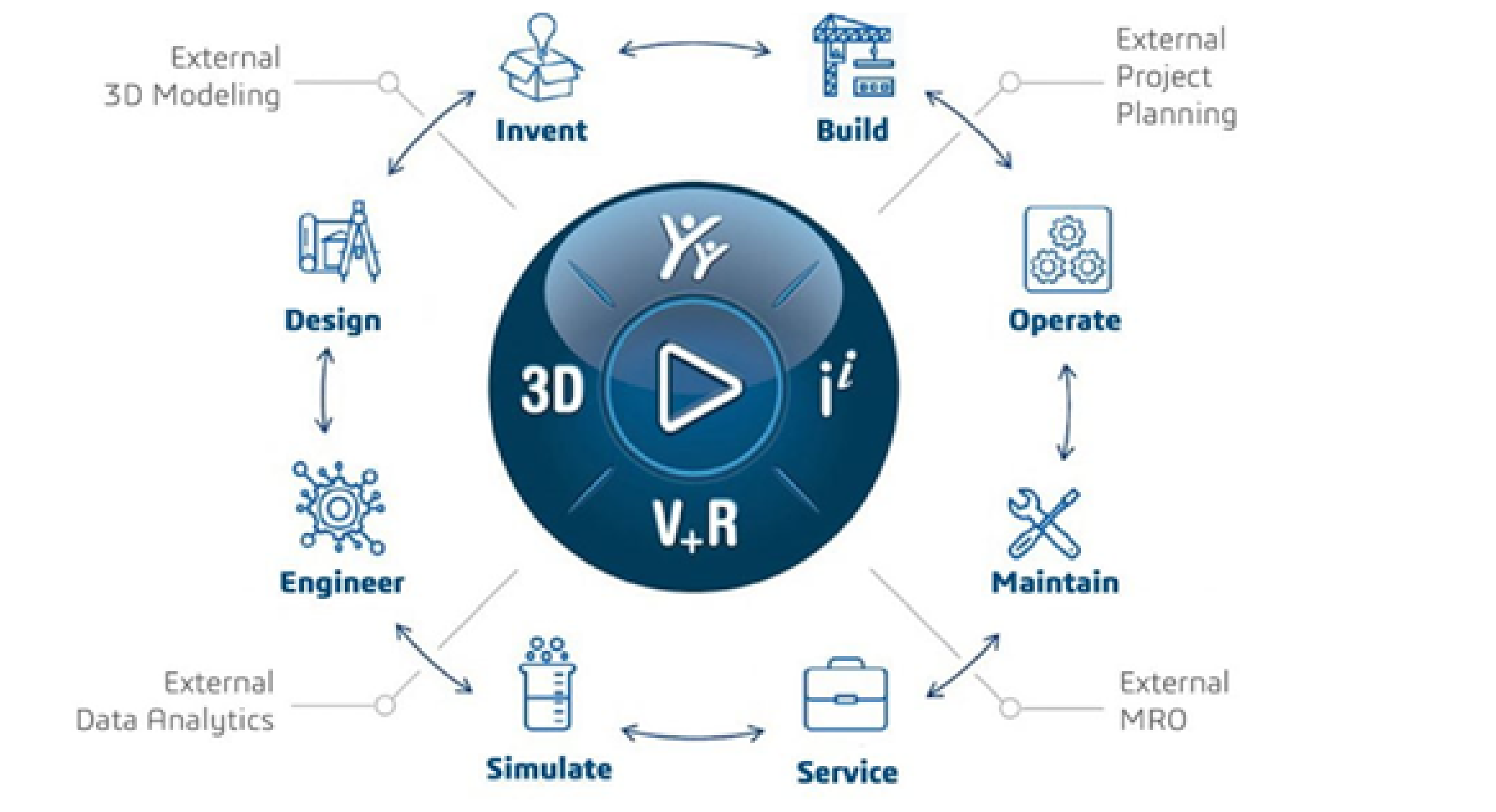
Here’s a breakdown of how the 3DEXPERIENCE Platform can revolutionize the automotive supply chain:
- Integrated Digital Collaboration Hub: Cross-Disciplinary Collaboration within the company & supplier engagement
- Supplier-Integrated Design & Development: Co-Design Capabilities & Concurrent Engineering
- Real-Time Visibility and Traceability: Digital thread with real time updates
- Collaborative Supply Chain Management
- Collaborative product development with comphrensive & transparent change management process
- Advanced Simulation and Testing
- Supplier Performance Management
- Cloud-Based Collaboration for Global Teams
- Sustainability and Environmental Impact assessment solutions
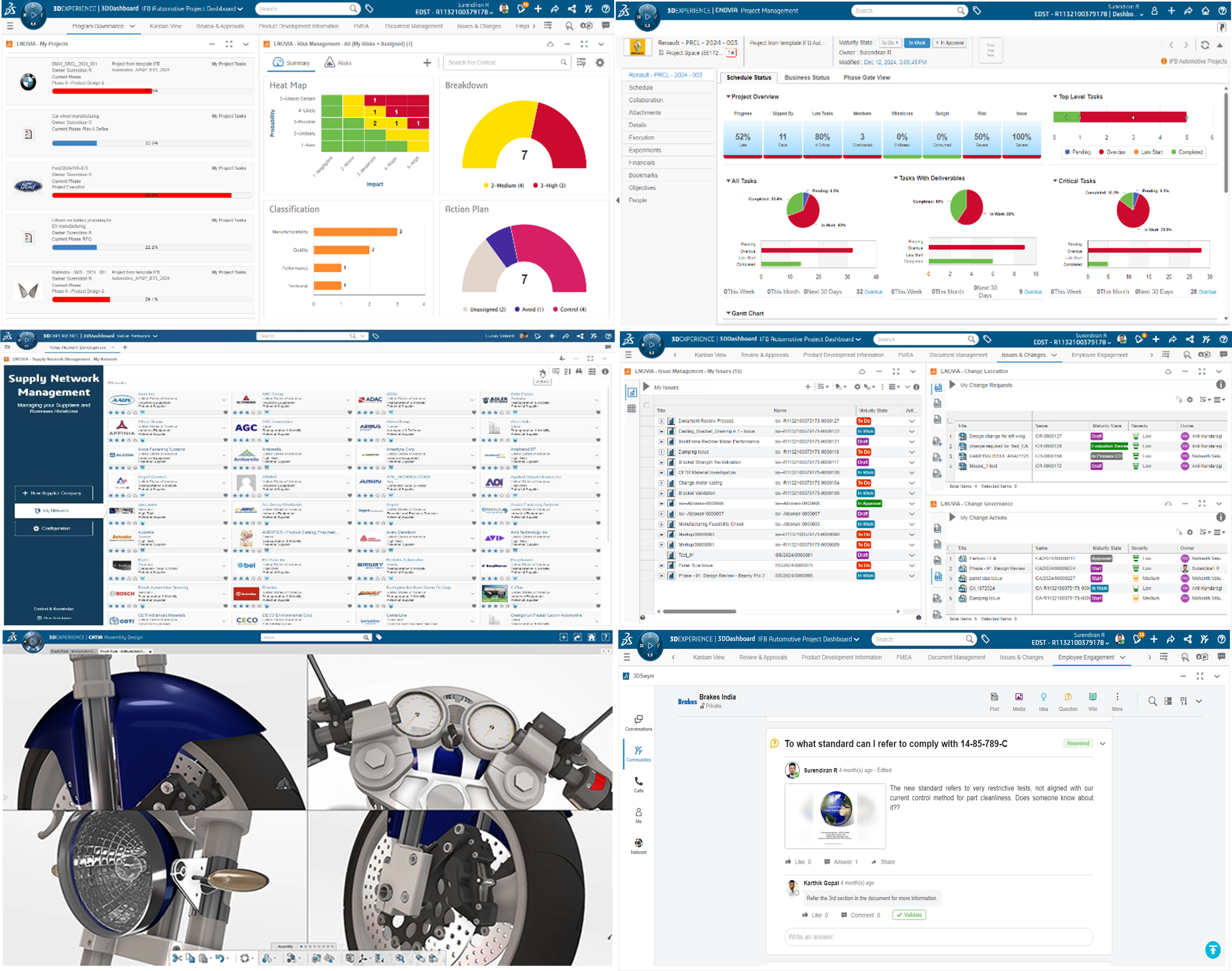
3DEXPERIENCE Solution Landscape for Automotive Supply Chain
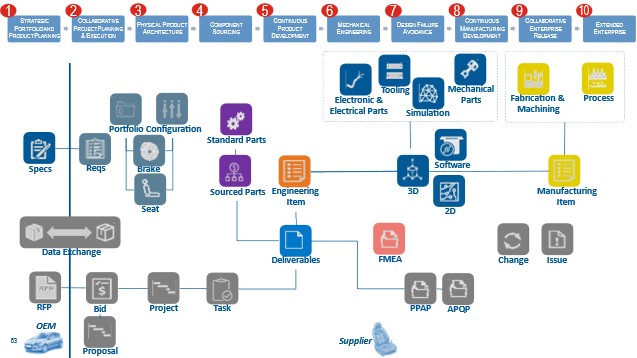

Overall, the 3DEXPERIENCE platform empowers OEMs and their suppliers to work together more efficiently, transparently, and innovatively across the entire automotive product lifecycle. By providing a collaborative digital environment that integrates design, engineering, manufacturing, and supply chain management, 3DEXPERIENCE enhances the ability of OEMs and suppliers to align on goals, resolve issues faster, and accelerate time-to-market. From real-time data access and collaborative design to supplier performance management and advanced simulations, this platform is a game-changer for the automotive industry, driving greater innovation and operational efficiency.
To get more information & insights on how the 3DEXPERIENCE Platform drives business transformation in the automotive industry, please reach out to us at marketing@edstechnologies.com
Transforming Prosthetics and Orthoses Manufacturing with the EOS SLS Process
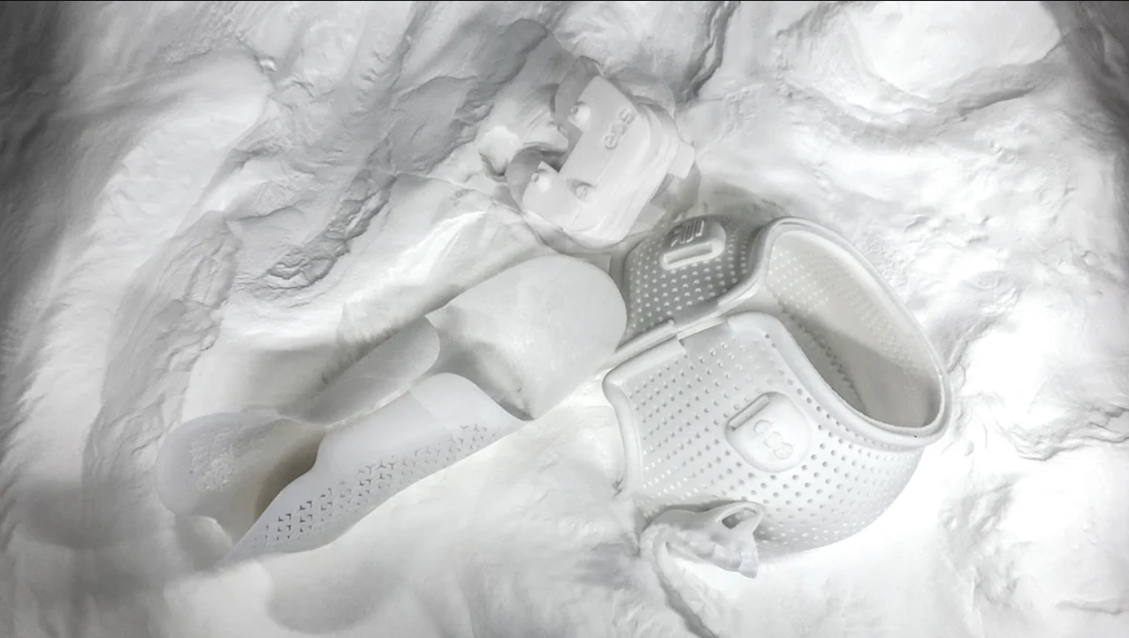
The fields of prosthetics and orthoses have witnessed significant advancements in recent years, driven by the adoption of additive manufacturing (AM) technologies. Among these, the EOS Selective Laser Sintering (SLS) process stands out as a transformative method, offering unmatched precision, customization, and efficiency. By leveraging the unique capabilities of SLS, manufacturers can create prosthetic and orthotic devices that enhance mobility, comfort, and quality of life for users.
The Need for Advanced Manufacturing in Prosthetics and Orthoses:
Traditional manufacturing methods for prosthetics and orthoses often involve labour-intensive processes with limited customization. Patients’ unique anatomical needs and functional requirements can be challenging to address with these conventional techniques. Additive manufacturing, and specifically the EOS SLS process, addresses these limitations by enabling:
- Personalization: Tailoring designs to fit individual anatomy and specific functional requirements.
- Complex Geometries: Creating intricate structures such as lattice designs for lightweight yet strong components.
- Rapid Prototyping: Accelerating the design-to-manufacturing cycle for quicker delivery.
- Material Versatility: Using high-performance polymers that ensure durability and comfort.
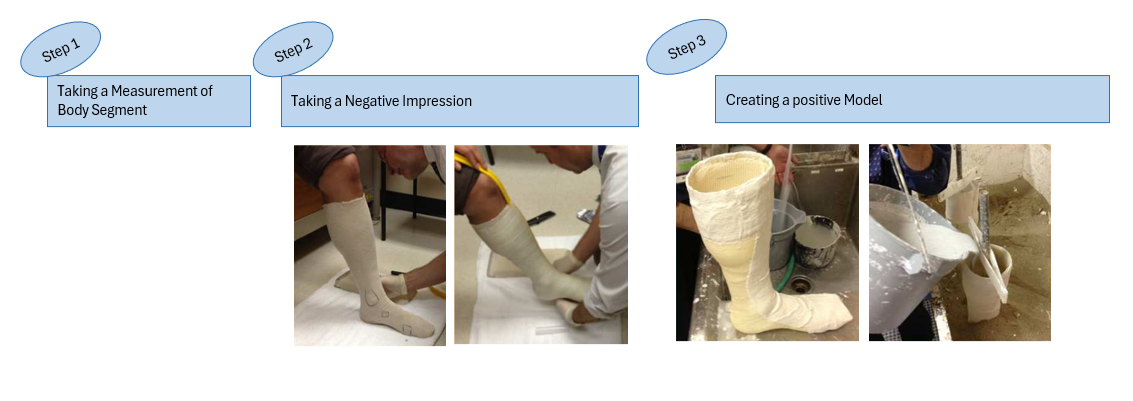
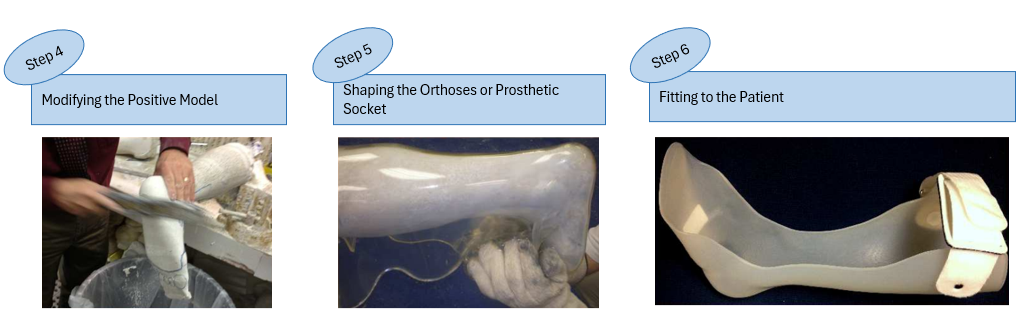
Fig. 1: Conventional Manufacturing Workflow of AFO (Ankle – Foot – Orthosis)
How the EOS SLS Process Works ?
The EOS SLS process involves the use of a high-powered laser to selectively fuse polymer powder layer by layer, creating precise and durable parts. This technology eliminates the need for support structures, allowing for greater design freedom and efficient material usage. It is particularly well-suited for prosthetics and orthoses due to its ability to produce lightweight, robust, and anatomically accurate components.
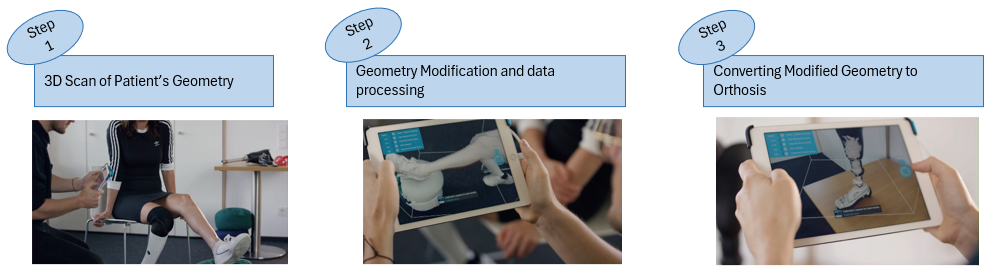
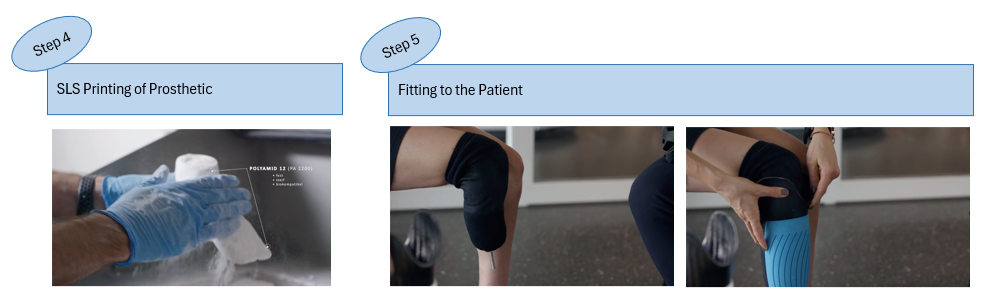
Fig. 2: Digital Manufacturing Workflow of AFO (Ankle – Foot – Orthosis) | Courtesy – EOS Website
Materials for Prosthetics and Orthoses:
EOS offers a range of materials that cater to the specific needs of prosthetic and orthotic devices:
- EOS PA 1101: A bio-based polyamide known for its elasticity, impact resistance, and durability, making it ideal for lightweight and flexible components.

Fig. 3: Bio – Based EOS PA 1101 carbon reduced material specifically designed for O & P applications
- EOS PA 2200: A versatile material known for its strength, flexibility, and biocompatibility, making it ideal for components that come in contact, with the skin.

Fig. 4: Bio – compatible EOS PA 2200 material widely used for O & P applications
Advantages of Additive Manufacturing for Orthoses and Prostheses:
- Virtually limitless customization potential: Tailor designs for unique anatomical and functional needs, enabling unmatched personalization.
- Optimal comfort for the wearer: Lightweight and stable designs ensure comfort, even with complex structures.
- Sustainability: Minimized material consumption, with unused material being reusable, making the process eco-friendly.
- Quick adjustments: Easily implement modifications, such as accommodating growth in children.
- Enhanced functionality: Integrate features for elasticity, breathability, and other functional benefits to increase comfort.
- Fully digital workflow: From scanning to finished product, the streamlined process ensures faster availability.
Applications of SLS in Prosthetics and Orthoses:
- Prosthetic Sockets: Precisely contoured sockets ensure a snug fit, enhancing user comfort and mobility.
- Orthotic Braces: Lightweight and durable braces provide optimal support and flexibility for various medical conditions.
- Limb Covers: Aesthetic covers with intricate designs allow users to personalize their prosthetic devices.
- Foot Orthoses: Customized insoles tailored to the patient’s unique foot structure for better support and alignment.
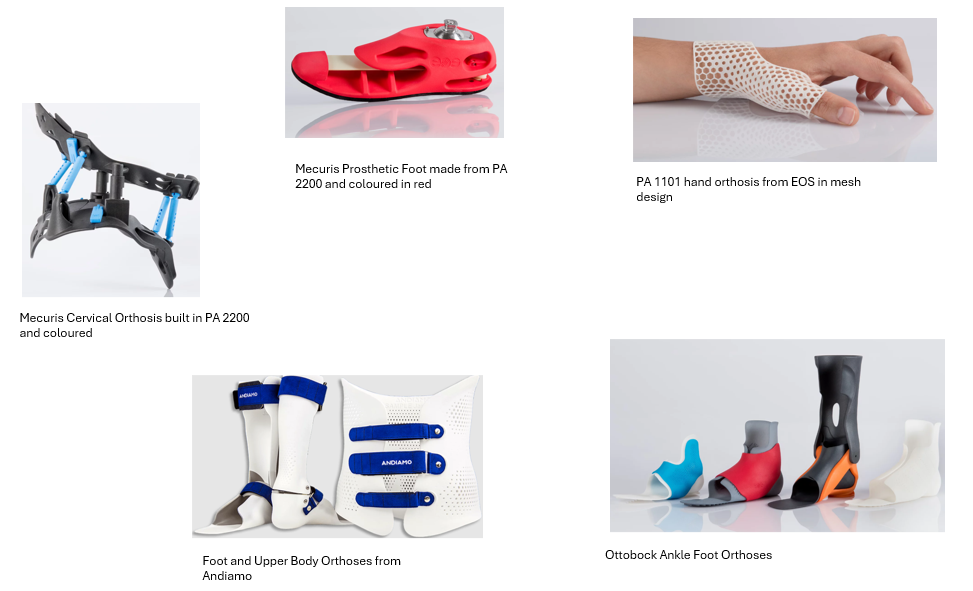
Fig. 5 : Customer specific Orthoses and Prostheses solutions from EOS SLS process | Courtesy – EOS Website
Success Stories:
Manufacturers and clinicians using the EOS SLS process have reported significant improvements in patient satisfaction and device performance. For example, prosthetic sockets produced using SLS technology have demonstrated superior comfort and durability compared to traditionally manufactured counterparts. Additionally, the ability to rapidly prototype and iterate designs has reduced production times and costs.
The British start-up company Andiamo uses EOS systems to make custom-fitting orthoses for children. Traditionally, orthoses are made from plaster impressions. This process is slow and resource-intensive and offers little room for customization.
Some patients, especially young patients who are still growing, have to undergo this procedure repeatedly. Waiting times can last up to six months – for an orthosis that might not even fit by the time it’s ready. Additive manufacturing reduces the waiting period to a minimum. Using a 3D body scan, a precise and perfectly fitting orthosis is manufactured and delivered within a week.
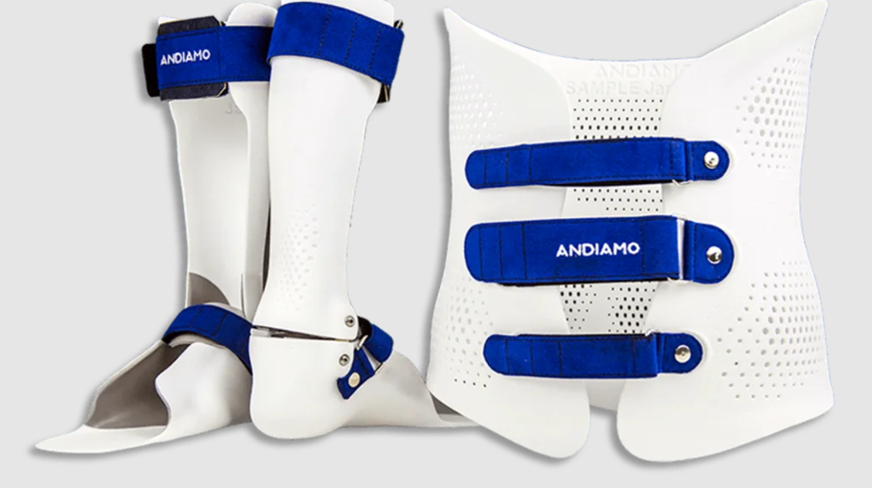
Fig. 6: Foot and upper body Orthoses from Andiamo | Courtesy – EOS Website
The Future of Prosthetics and Orthoses Manufacturing:
As additive manufacturing technologies continue to evolve, the possibilities for prosthetics and orthoses are expanding. Emerging materials, enhanced machine capabilities, and integration with advanced scanning and modelling software promise even greater levels of customization and performance.
By adopting the EOS SLS process, manufacturers can push the boundaries of what is possible in prosthetics and orthoses, delivering devices that not only meet but exceed the expectations of patients and healthcare providers. This technology is not just shaping parts; it’s reshaping lives.
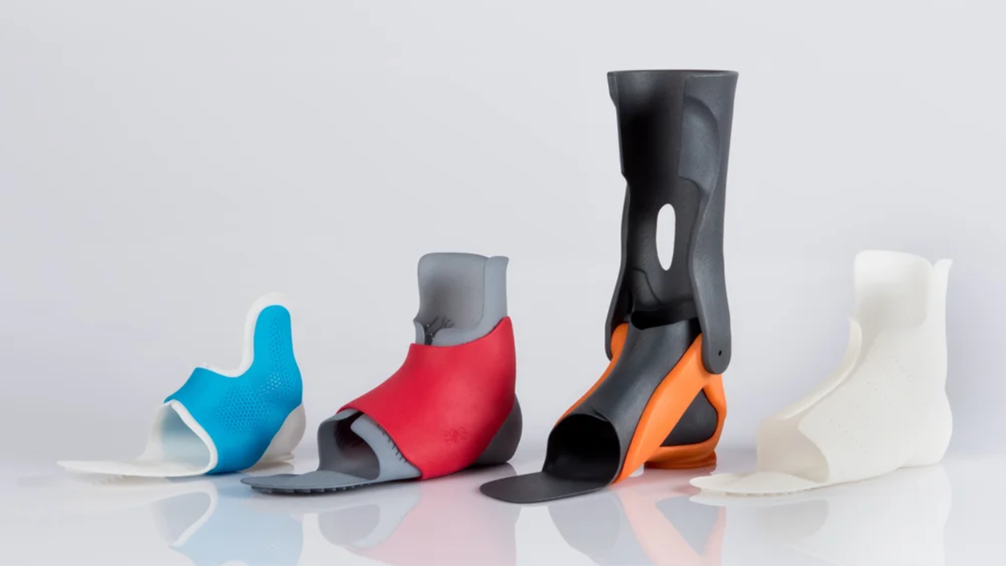
Fig. 7 : Different types of Ankle Foot Orthoses from Ottobock | Courtesy – EOS Website