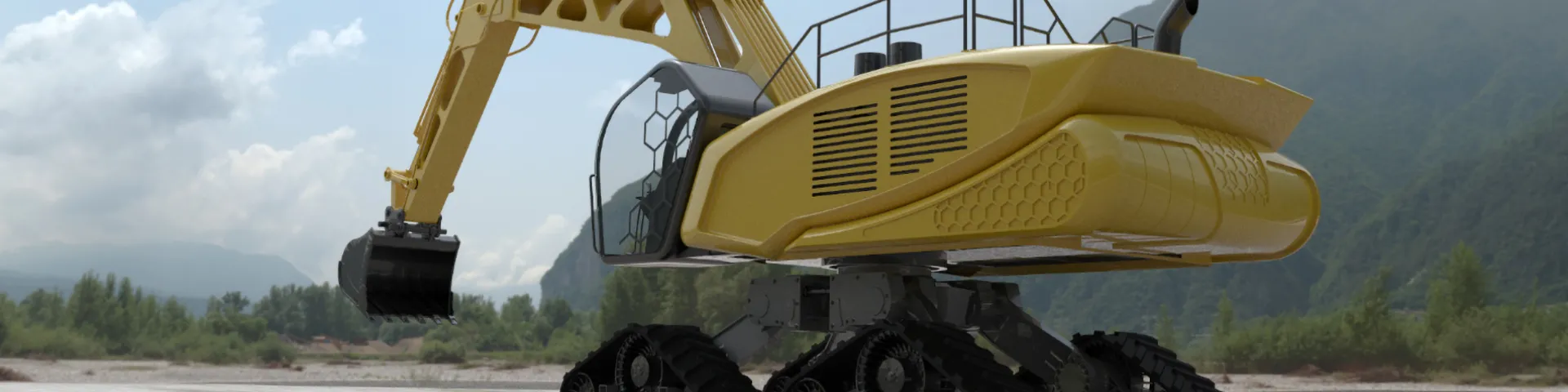
With growing pressure on Industrial Machinery OEMs to manufacture comfortable and durable machines, engineering and design departments are leveraging new solutions to ensure that products meet requirements before a prototype is built. Creating a Virtual Twin to simulate and optimize durability can avoid warranty costs which are currently decreasing OEMs profitability by 1–2%, while retaining the fast development pace needed to compete in the global market. For thermal systems and their design in the context of Tier 3 & Tier 4 certification*, modeling and simulation of the virtual twin can help balance comfort and durability while meeting homologation requirements in early design stages.
Resources Category: E book
Mitigating Supply Chain Disruptions in the Aerospace & Defense Sector
The concept of “supply chain management” has been known for decades but the ability to effectively implement a strategy that meets business goals has been continually challenged, especially since the start of the global pandemic. The unprecedented disruption has shone a spotlight on critical weaknesses that need to be addressed.
Unlock the Future of Space Innovation
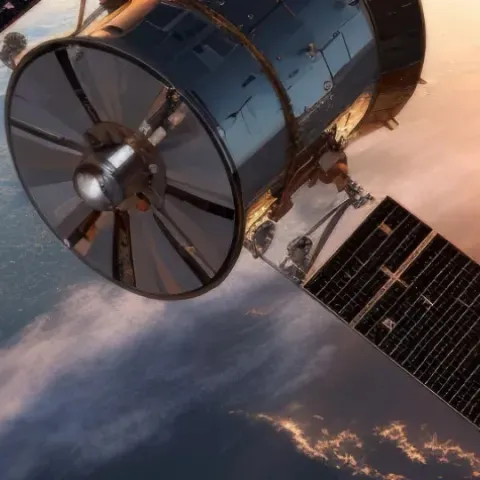
Winning the new space race to create a successful space industry startup is an extremely challenging yet rewarding endeavor. Getting equipment to space is a complex technical challenge. But launching a startup in the new space industry faces its own unique challenges.
Flying By Night

Across service branches and specializations, one thing remains constant: the need for training. No matter your specialty or area of expertise, consistent training is necessary to maintain an expected standard of excellence.
ACCELERATED ELECTRIC-DRIVE INNOVATION
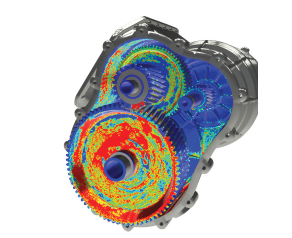
Revolutionizing e-drive development with an innovative MODSIM approach, which unifies modeling and simulation on a common data model. This method empowers engineering teams to collaborate seamlessly and streamline their processes using a virtual twin. Acting as a single source of truth, the virtual twin allows for the creation of both customized and automated processes, democratizing simulation and providing early insights into product performance.
Vehicle Styling for Aerodynamic Performance, Efficiency, and Certification
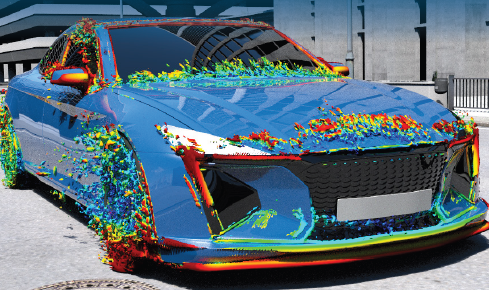
SIMULIA simulation solutions can be used to accelerate innovation and reduce the risk involved in developing new vehicle designs. As well as enabling right-first-time designs that meet performance targets, simulation can save time and money by enabling manufacturers to test and certify multiple configurations quickly, without having to build physical prototypes.