
If you want to see ergonomics in perfection, making your way to Austria is worthwhile. The riding experience sets the tone at KTM, the Mattighofen motorcycle manufacturer. And it’s no wonder either, because at KTM everyone
rides a motorbike. Software is also digitally mounting KTM bikes. Since the company introduced RAMSIS, the honing of the riding experience begins before the first product sketch is born
Resources Category: E book
Accelerating Development of SoftwareDefined Vehicles with Virtual ECUs

The automotive industry is going through a revolution. To adapt to new customer demands such as convenience, safety, autonomy, and electrification, the automotive industry is moving to software-defined vehicles.
How to Embed ESG into Your Mining Operation

Meeting the Environmental, Social, and Governance (ESG) Challenge. Shifts in climate, geopolitics, capital, workforce, and society are transforming the mining and metals industry. In particular, the transition to low-carbon energy sources like wind turbines and solar panels will require a significant increase in the production of certain metals and minerals. The World Bank predicts that by 2050, the production of minerals, such as graphite, lithium and cobalt, could increase by nearly 500%, to meet the growing demand for clean energy technologies. These global factors are rapidly changing societal needs and valu
Optimize Quality with Total Quality Management

Across all industries, product quality matters. With the American Society of Quality estimating that many organizations incur quality-related costs as high as 15-20% of sales revenue, it is no surprise that manufacturers are adopting Total Quality Management (TQM) as a strategic business initiative. With advancements in Artificial Intelligence (AI), Machine Learning (ML) and Virtual Twin technologies, organizations are able to analyze massive amounts of quality data to detect patterns, find correlations and make evidence-based decisions, making…….
Deliver Quality Products to Ensure Customer Satisfaction
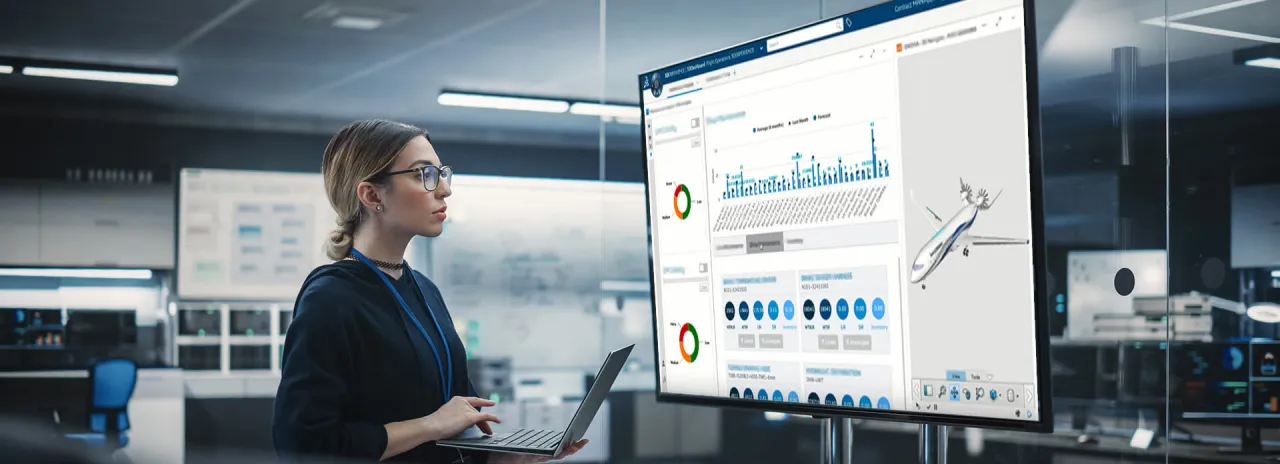
Across all industries, product quality matters. The American Society of Quality estimating that many organizations incur quality-related costs as high as 15-20% of sales revenue, it is no surprise that manufacturers are adopting Total Quality Management (TQM) as a strategic business initiative. With advancements in Artificial Intelligence (AI), Machine Learning (ML) and Virtual Twin technologies, organizations can analyze massive amounts of quality data to detect patterns, find correlations and make evidence-based decisions, making TQM objectives mor
Unlock the Sustainable Value Path for Metals Industry Transformation
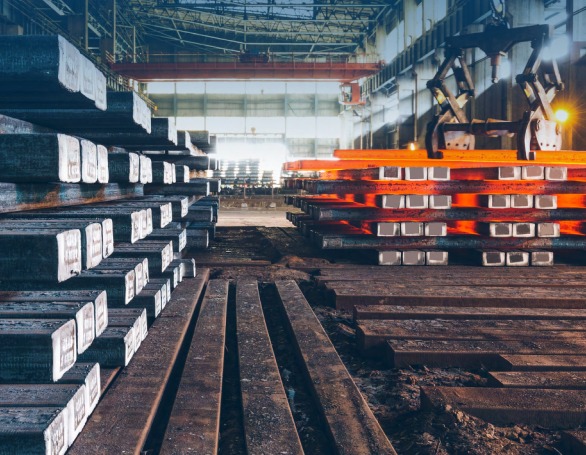
Today’s world is increasingly rife with disruptions, market volatility and evolving customer expectations. For the metals industry, daily disruptions such as production timeline pressures and equipment downtime are compounded by extrinsic changes in the form of fluctuating pricing, global trade disputes, natural disasters and more. Furthermore, the urgency to reduce emissions to meet carbon neutral targets by 2050 is pushing metals producers to swiftly adopt new and more efficient sourcing and production processes that drive sustainability while ensuring favorable business outcomes