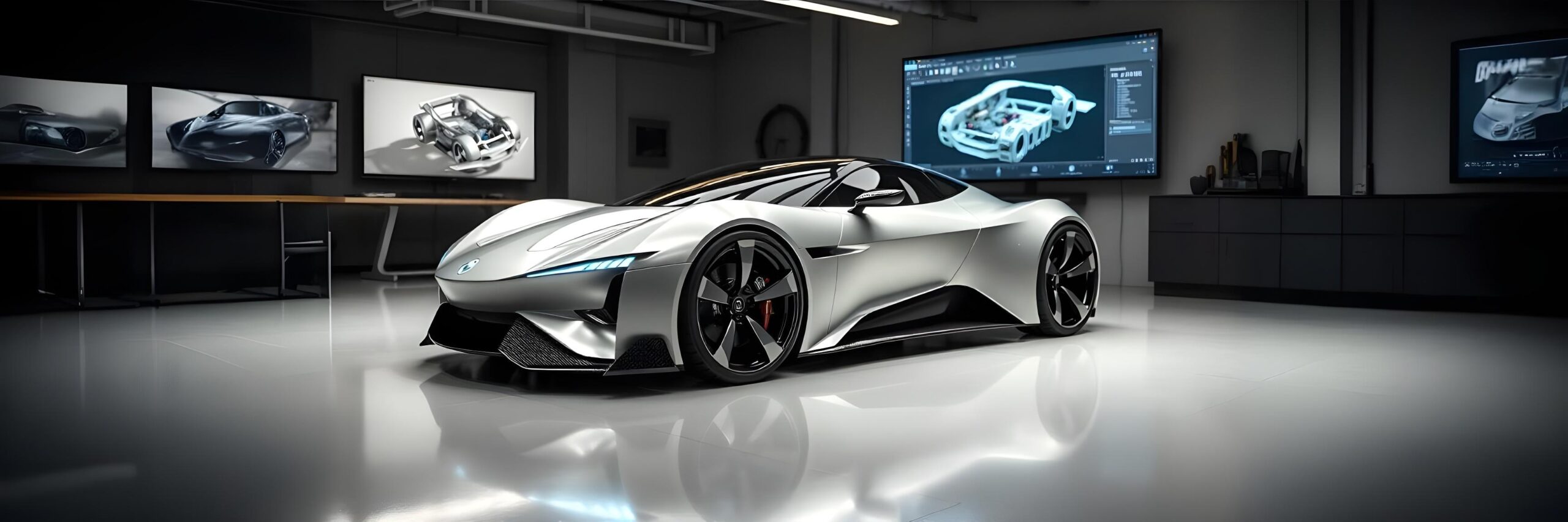
Lightweighting is a crucial strategy for improving performance, fuel efficiency, and overall sustainability across industries like automotive, drones, electric vehicles (EVs), and consumer goods. By reducing component weight, manufacturers can enhance product performance, increase energy efficiency, and reduce emissions, all while improving durability. Achieving lightweight designs requires advanced tools that can optimize strength, material usage, and durability.
CATIA enables advanced design capabilities for creating lightweight, complex structures, while SIMULIA offers simulation-driven optimization to ensure that these designs meet performance standards. EOS 3D Printing then supports the precise manufacturing of these optimized parts with material efficiency and minimal waste. Together, these tools enable manufacturers to streamline the design and production of lightweight components, leading to reduced material costs, improved performance, and faster product development.
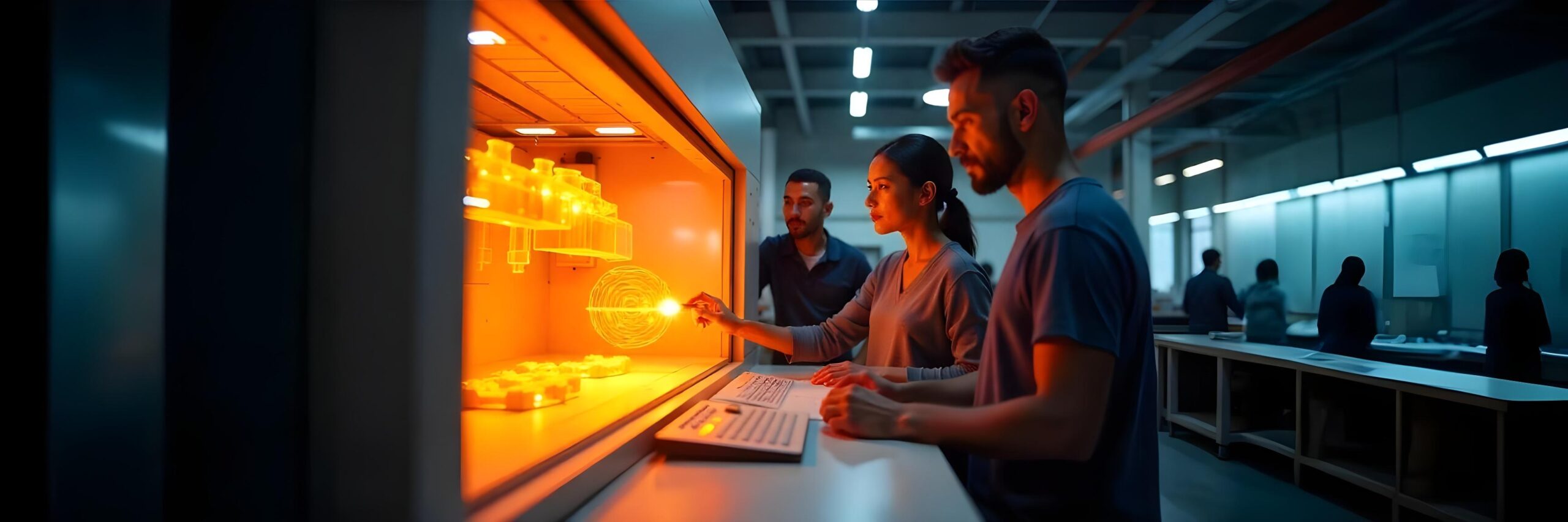
Design for Additive Manufacturing (DFAM) transforms traditional design processes by enabling more efficient, innovative, and cost-effective solutions tailored for additive manufacturing technologies. This approach ensures that designs are optimized for 3D printing, making it possible to create complex geometries that were previously difficult or impossible to manufacture. By integrating advanced simulation, material selection, and process planning, DFAM accelerates product development cycles while maintaining or improving performance, reducing weight, and cutting costs.
This solution is ideal for industries where innovation, customization, and rapid prototyping are essential, such as automotive, aerospace, medical devices, and consumer goods. By leveraging powerful tools, businesses can design parts with greater precision and functionality, resulting in improved product quality and faster time-to-market.

In today’s fast-paced environment, data-driven project management is essential for ensuring projects are delivered on time and within budget. By leveraging real-time data, teams can track progress, manage resources efficiently, and identify risks early. This approach enables quick decision-making, reduces delays, and optimizes project outcomes.
Collaboration tools allow teams to work seamlessly across functions and geographies, sharing information in real time. By integrating advanced analytics, decision-makers can monitor project health, forecast potential challenges, and allocate resources more effectively. This integrated solution fosters transparency, improves coordination, and drives better project performance across the board.

In today’s competitive manufacturing landscape, the integration between design and manufacturing workflows is critical for achieving higher efficiency, reduced costs, and faster time-to-market. When design and manufacturing processes are disconnected, errors, delays, and inefficiencies can arise, slowing down production and increasing operational costs. A seamless connection between these processes ensures that design intent is faithfully executed during production, improving product quality and reducing the need for rework.
3DEXPERIENCE provides a unified platform that integrates design, engineering, and manufacturing processes in real-time, enabling manufacturers to collaborate across departments and locations. By providing end-to-end solutions, 3DEXPERIENCE helps optimize the entire lifecycle—from initial product concept through to production and final delivery. This integrated approach ensures that design changes are automatically communicated to the manufacturing team, reducing lead times, improving coordination, and minimizing errors. Whether for automotive, aerospace, industrial equipment, or consumer goods, 3DEXPERIENCE enhances manufacturing efficiency by bridging the gap between product design and manufacturing execution.
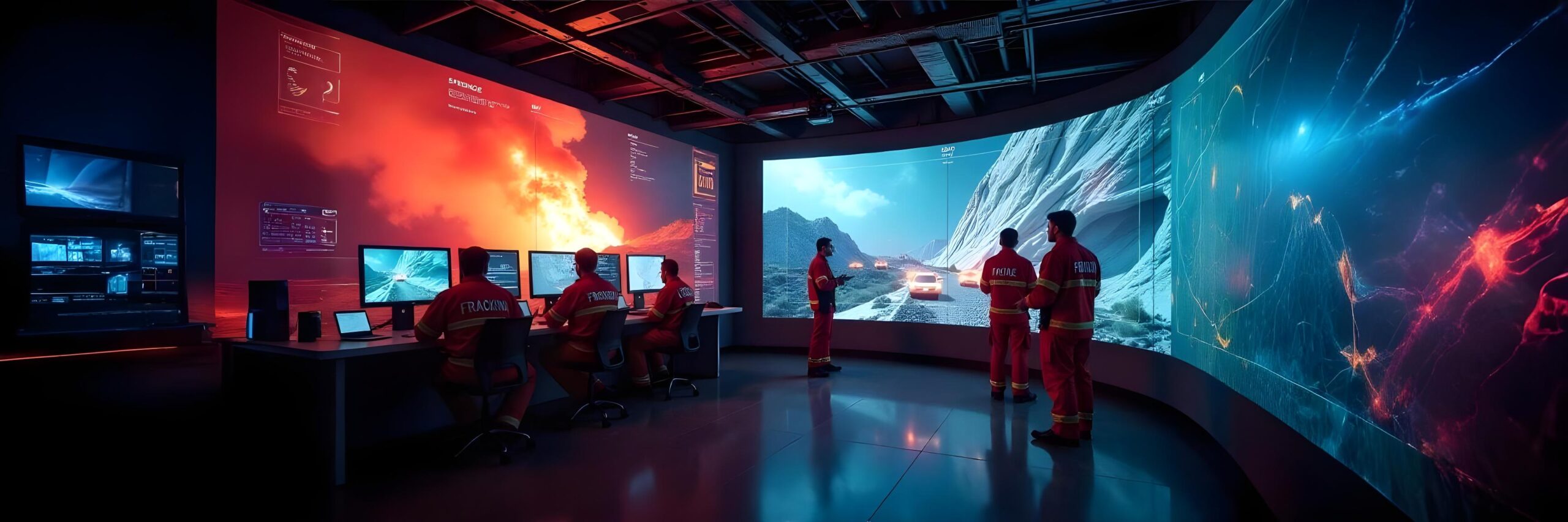
In emergency management, simulation-based planning helps responders prepare for a variety of crises. Advanced simulation tools create realistic, scenario-based training environments where emergency response teams can test strategies and refine their coordination efforts. These solutions allow for better resource allocation, optimized response plans, and quicker decision-making during emergencies. By simulating diverse crisis situations, teams can gain the experience needed to respond efficiently and minimize impact, ensuring that every action is based on well-tested strategies.

Design reliability is a key factor in ensuring that products perform as expected throughout their lifecycle, with minimal risk of failure. In industries ranging from automotive to aerospace, electronics to consumer goods, the ability to design products that can withstand real-world conditions while maintaining performance and durability is crucial. By leveraging advanced simulation and analysis tools, manufacturers can validate designs before they go to production, identifying potential weaknesses early and making necessary adjustments to ensure reliability.
SIMULIA provides powerful simulation-driven design capabilities, enabling engineers to assess product reliability under various operating conditions, including stress, thermal, and fatigue analysis. By simulating these real-world conditions, manufacturers can ensure that products not only meet design specifications but also exceed customer expectations for longevity and performance. With SIMULIA, companies can enhance design processes, reduce testing time, and minimize the risk of failures, ultimately improving product quality and reducing costs.