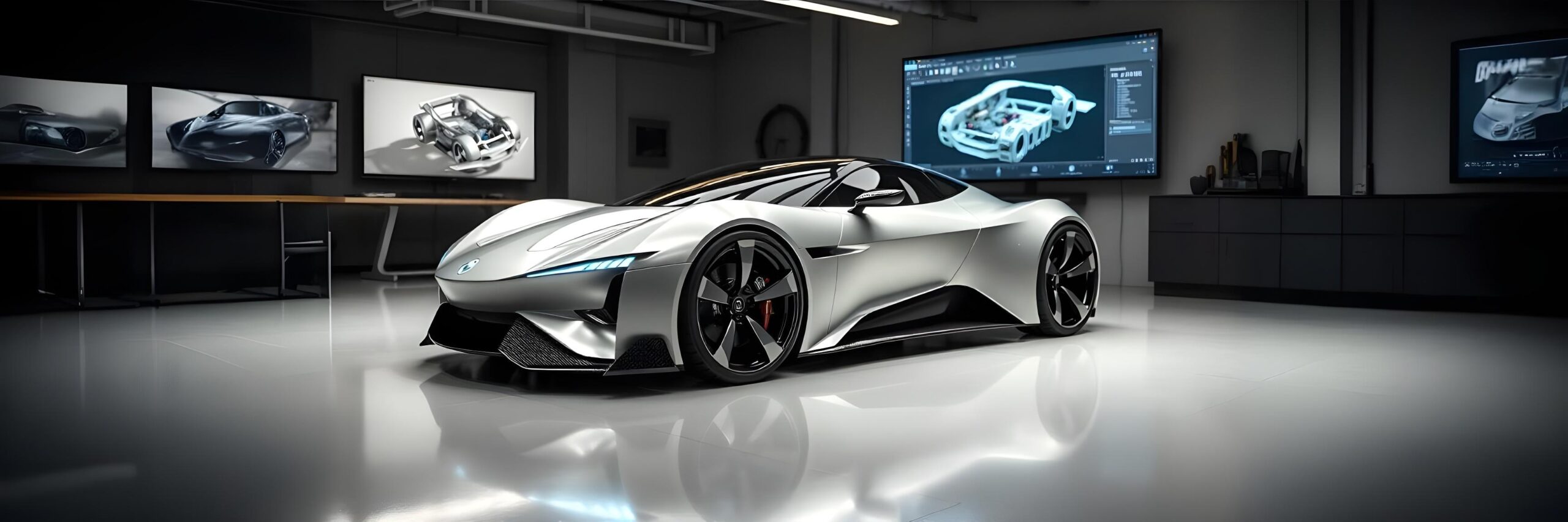
Lightweighting is a crucial strategy for improving performance, fuel efficiency, and overall sustainability across industries like automotive, drones, electric vehicles (EVs), and consumer goods. By reducing component weight, manufacturers can enhance product performance, increase energy efficiency, and reduce emissions, all while improving durability. Achieving lightweight designs requires advanced tools that can optimize strength, material usage, and durability.
CATIA enables advanced design capabilities for creating lightweight, complex structures, while SIMULIA offers simulation-driven optimization to ensure that these designs meet performance standards. EOS 3D Printing then supports the precise manufacturing of these optimized parts with material efficiency and minimal waste. Together, these tools enable manufacturers to streamline the design and production of lightweight components, leading to reduced material costs, improved performance, and faster product development.
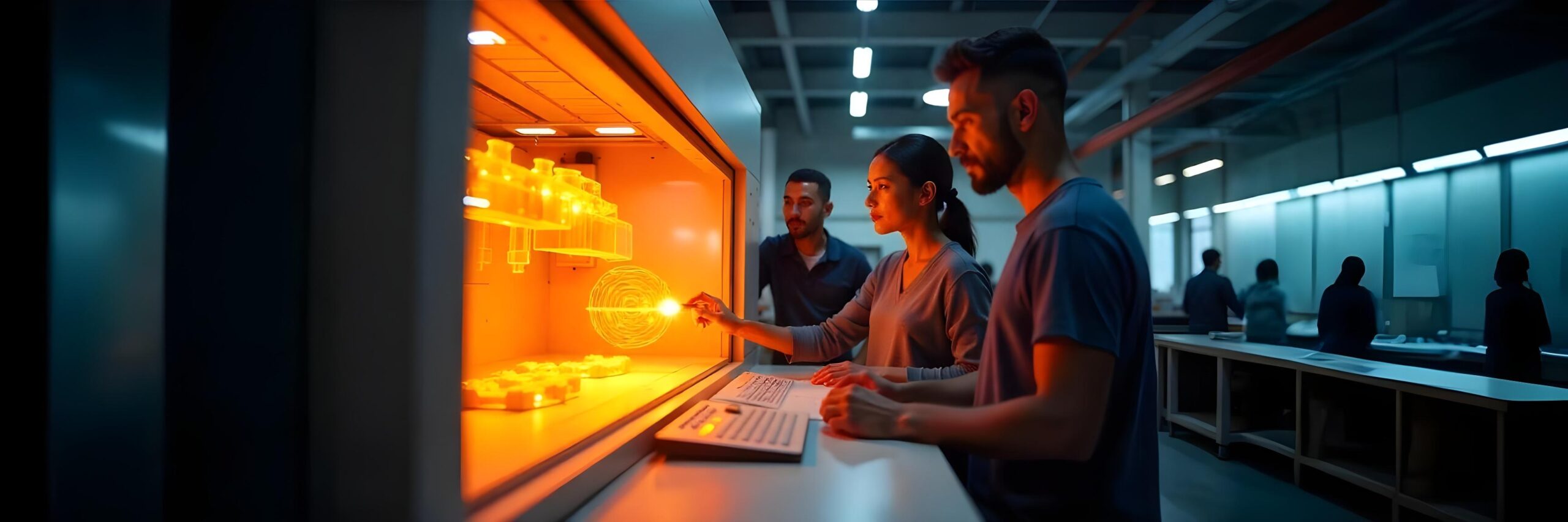
Design for Additive Manufacturing (DFAM) transforms traditional design processes by enabling more efficient, innovative, and cost-effective solutions tailored for additive manufacturing technologies. This approach ensures that designs are optimized for 3D printing, making it possible to create complex geometries that were previously difficult or impossible to manufacture. By integrating advanced simulation, material selection, and process planning, DFAM accelerates product development cycles while maintaining or improving performance, reducing weight, and cutting costs.
This solution is ideal for industries where innovation, customization, and rapid prototyping are essential, such as automotive, aerospace, medical devices, and consumer goods. By leveraging powerful tools, businesses can design parts with greater precision and functionality, resulting in improved product quality and faster time-to-market.
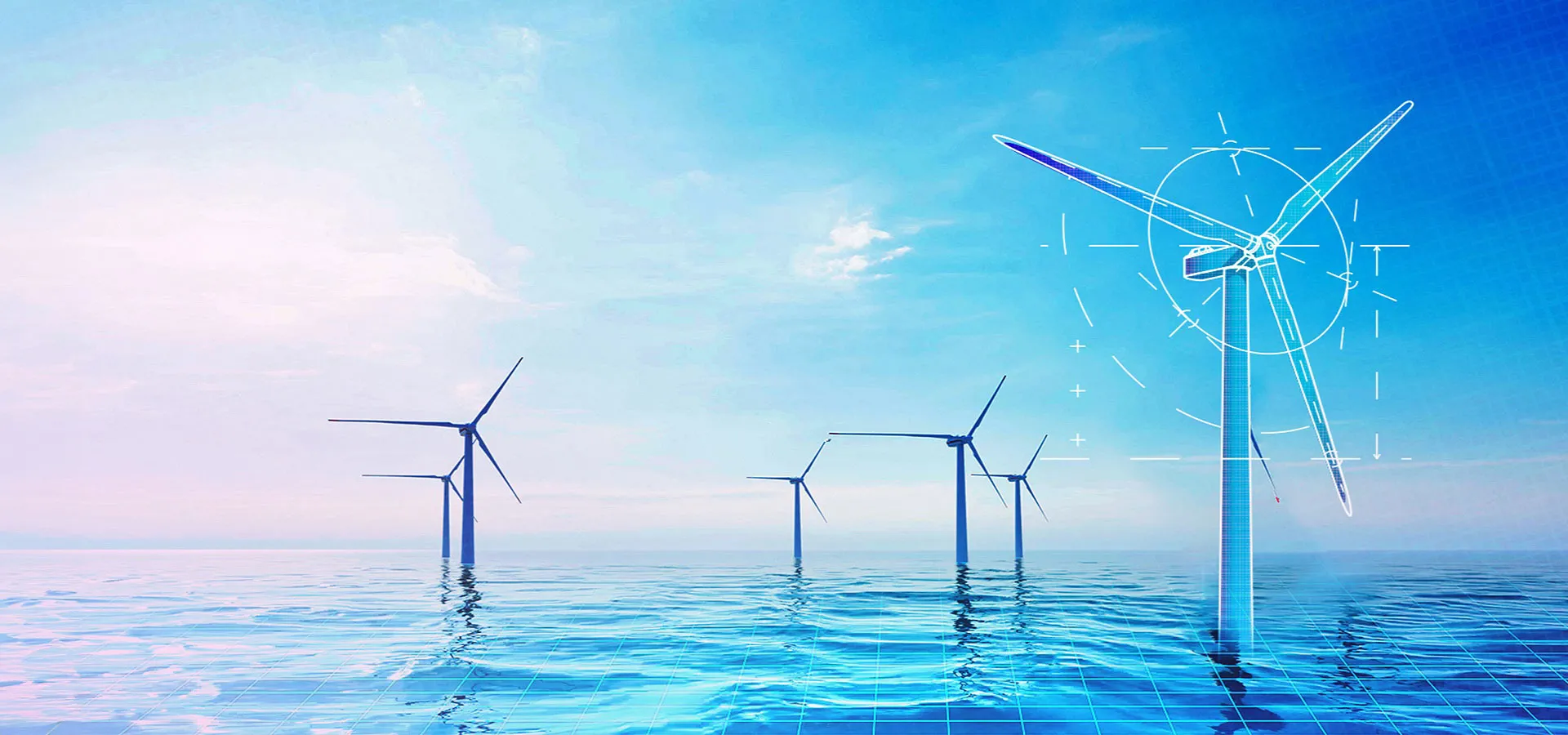
Wind turbine blades are heavily reliant on lightweight and durable composite materials for performance and efficiency. Designing these advanced composites requires precise tools that can optimize strength-to-weight ratios, enhance durability, and minimize material waste. CATIA and SIMULIA tools help achieve advanced composite design, enabling manufacturers to create innovative and high-performance turbine blades. By leveraging advanced design and simulation capabilities, manufacturers can ensure that wind turbines operate efficiently and withstand challenging conditions.

Effective battery management plays a critical role in maximizing the performance, safety, and lifespan of electric vehicle (EV) batteries. By leveraging system-level simulation and systems engineering, the electrical, thermal, and mechanical behaviors of EV battery systems can be optimized for maximum efficiency. Through advanced thermal management and electrical performance analysis, combined with structural simulations, the interactions of various battery components are fine-tuned for optimal operation. This integrated approach not only enhances overall performance and safety but also ensures compliance with regulatory standards, driving advancements in the EV industry.
Key areas like battery thermal management, system integration, and multi-physics simulation are crucial for achieving sustainable performance and safety in electric vehicles.
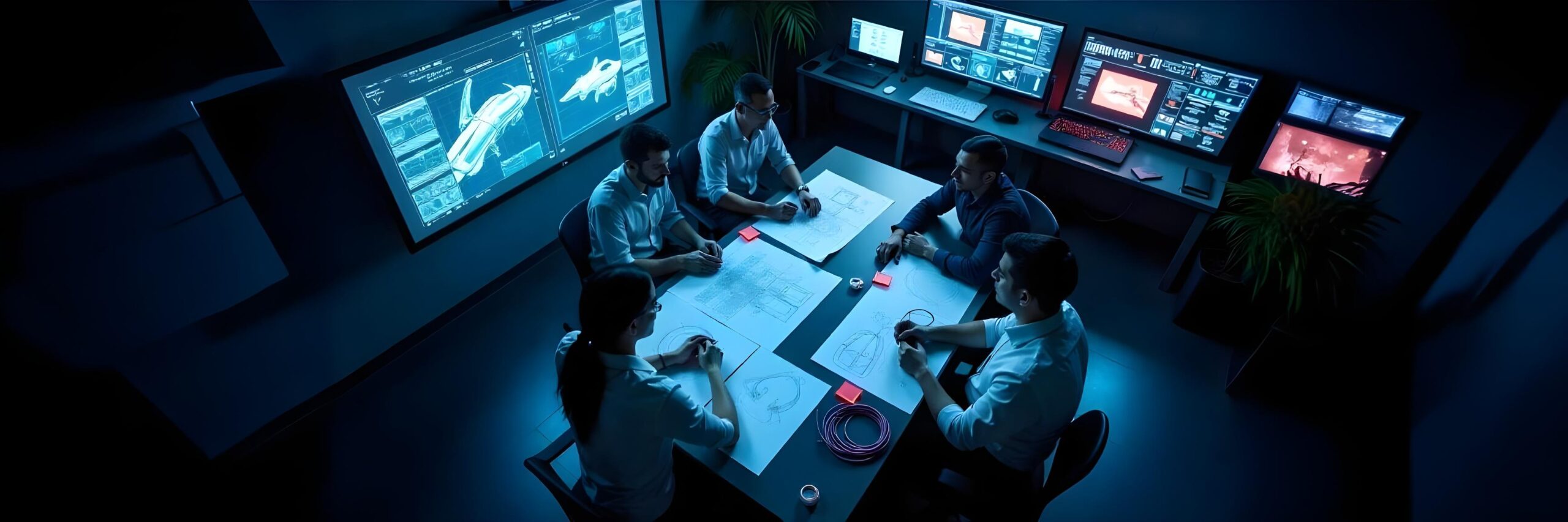
Composite materials are increasingly being used across industries like automotive, aerospace, and defense due to their exceptional strength-to-weight ratio and ability to withstand harsh conditions. However, designing composites requires specialized tools to optimize material usage, ensure structural integrity, and meet performance standards. Advanced composite design involves not only selecting the right materials but also creating complex geometries and integrating them into production processes that can yield maximum efficiency and performance.
Leveraging advanced simulation and design tools, manufacturers can ensure that composites meet the necessary performance criteria, while optimizing cost, weight, and production timelines. Using CATIA, SIMULIA, and DELMIA, designers can create innovative, lightweight, and high-performance composite components, while seamlessly transitioning from design to manufacturing. This integrated approach ensures the reliability and quality of composite structures, enabling companies to meet the demands of next-generation applications in industries such as automotive, aerospace, drones, and defense.

With urbanization accelerating, metro systems play a pivotal role in improving urban mobility. EDS Technologies offers advanced engineering solutions that help metro systems meet the growing demand for energy efficiency, passenger safety, and operational reliability. Our solutions integrate advanced design, simulation, and ergonomic optimization to create metro rolling stock that enhances the passenger experience while ensuring sustainability and smart technology integration in the design and operation of urban rail systems.