
Structural reliability is a critical aspect of wind turbine design, ensuring that turbines can operate safely and efficiently over their lifetime. SIMULIA provides advanced simulation capabilities to analyze and optimize the structural integrity of wind turbine components, including towers, hubs, and drivetrains. By simulating real-world operating conditions, such as wind loads, mechanical stress, and vibration, manufacturers can predict and mitigate potential failures, enhance performance, and reduce maintenance costs.
Solutions Industry: Infrastructure, Energy & Utilities
Advanced Composite Design for High-Performance Wind Turbines
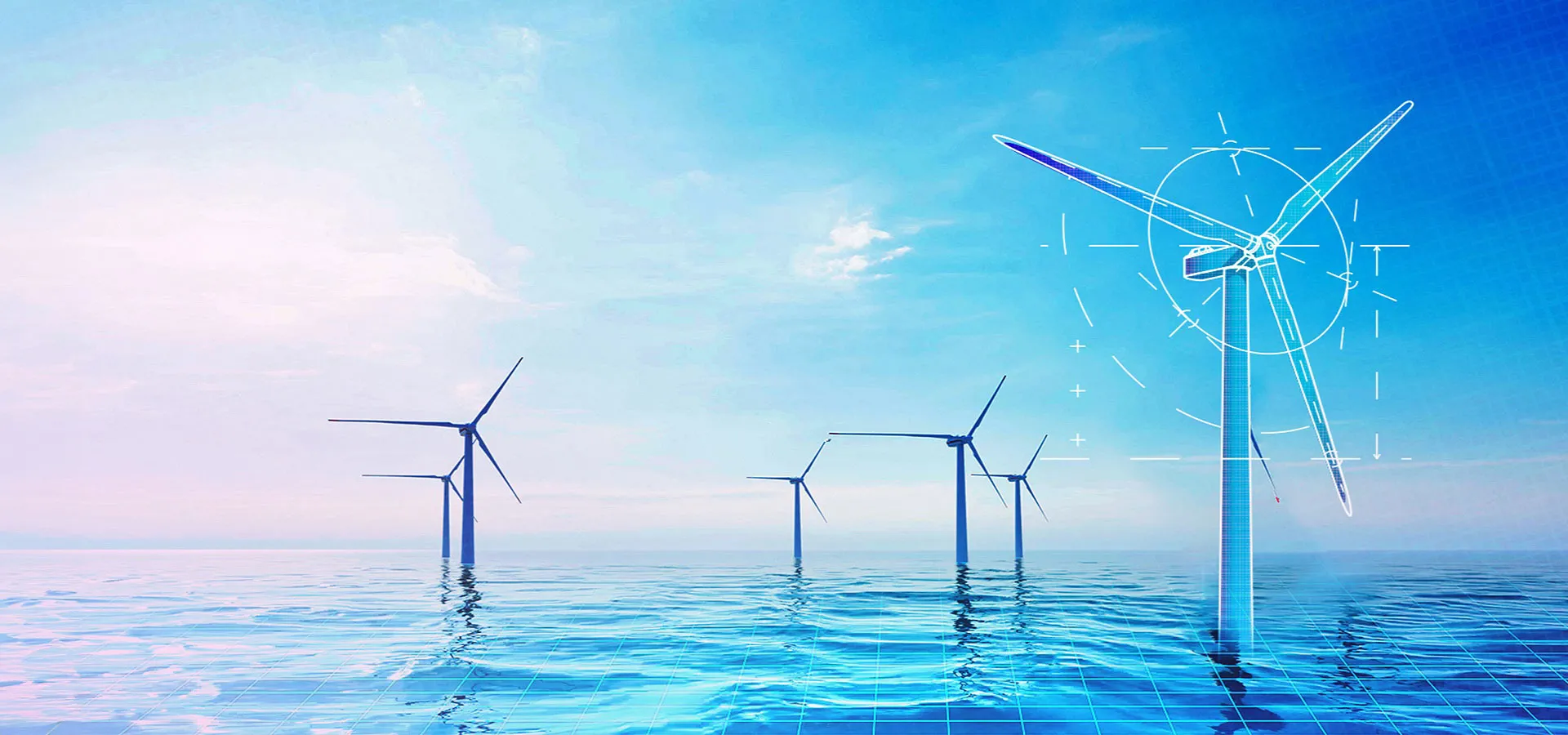
Wind turbine blades are heavily reliant on lightweight and durable composite materials for performance and efficiency. Designing these advanced composites requires precise tools that can optimize strength-to-weight ratios, enhance durability, and minimize material waste. CATIA and SIMULIA tools help achieve advanced composite design, enabling manufacturers to create innovative and high-performance turbine blades. By leveraging advanced design and simulation capabilities, manufacturers can ensure that wind turbines operate efficiently and withstand challenging conditions.
Soil Simulation for Bridge and Dam Foundations

Understanding soil behaviour is critical to the design and stability of bridge and dam foundations. SIMULIA offers advanced soil-structure interaction (SSI) simulations, helping engineers analyze how soil conditions affect the foundation’s performance. By simulating soil deformation, load distribution, and foundation behaviour, engineers can make informed decisions about foundation design, ensuring stability and safety in challenging environmental conditions.
Improve Gas Transmission and Distribution Network Management with Geospatial Insights
Gas transmission and distribution systems require precise monitoring and efficient management to ensure safe and reliable service. Esri ArcGIS offers utilities the ability to analyze and manage gas networks by providing detailed maps, real-time data integration, and predictive analytics. By leveraging geospatial insights, utilities can optimize pipeline maintenance, reduce risks, and ensure regulatory compliance, all while improving operational efficiency.
Enhance Water Supply and Sanitation Infrastructure with Geospatial Solutions

Managing water supply and sanitation infrastructure requires continuous monitoring and effective management of resources. Esri ArcGIS provides utilities with the ability to analyze, visualize, and optimize water networks. With real-time monitoring, asset tracking, and geospatial analytics, utilities can enhance the efficiency and sustainability of water distribution systems, manage sewage systems, and ensure compliance with health and environmental standards.
Optimize Electricity Transmission and Distribution with Geospatial Data and Analytics

Efficient electricity transmission and distribution are critical for delivering power to consumers reliably and cost-effectively. Esri ArcGIS helps utilities optimize their network management, improve outage response, and plan for future infrastructure development by providing real-time data and detailed geospatial insights. Through advanced mapping and spatial analytics, utilities can visualize and analyze network conditions, optimize power flow, and ensure the reliability of electricity distribution systems.